
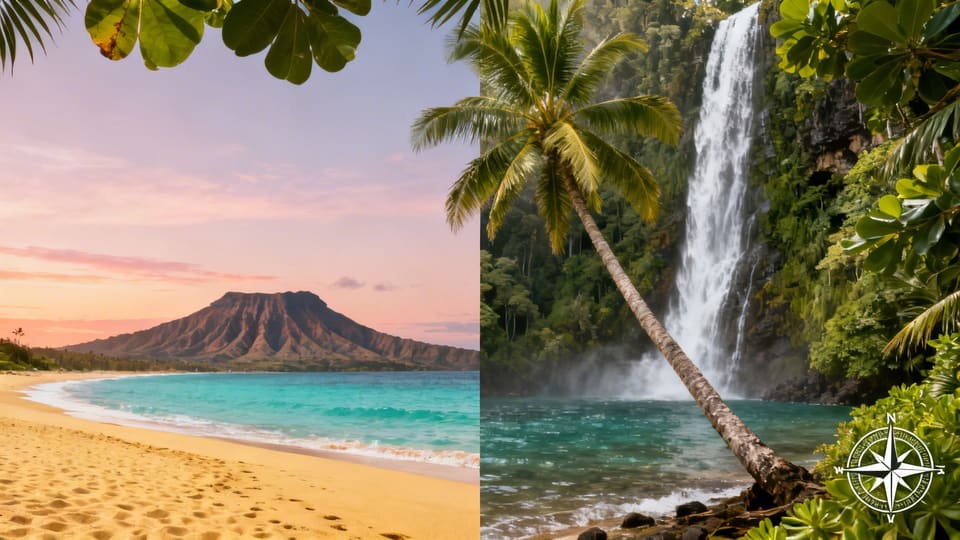
The Hawaiian Islands offer a stunning tapestry of experiences, blending adventure, relaxation, and culture across a volcanic archipelago. Choosing where to go can feel overwhelming with so many iconic landscapes, from the energetic shores of Waikiki to the serene, otherworldly summit of Haleakalā. This guide simplifies your planning process by breaking down the most essential places to visit in Hawaii, island by island.
Inside, you will find a curated roundup of the top destinations. Each entry provides clear, actionable advice to help you decide what to see and do. We detail what makes each location special, the ideal time to visit, and suggested visit durations. To make planning even easier, we've included activity tags-like family, adventure, or romantic-and sample mini-itineraries perfect for all types of travelers.
Whether you're a solo adventurer mapping out a trip, a family coordinating a reunion, or a couple planning a honeymoon, this list is designed to help you build a personalized and unforgettable Hawaiian vacation. Let's explore the Aloha State’s most incredible spots.
1. Honolulu & Waikiki Beach
Island: Oʻahu Best For: First-timers, families, couples, and travelers seeking a mix of city life and beach relaxation. Activity Tags: #beaches #family #romantic #adventure #culture #dining Suggested Duration: 3–4 Days
Honolulu, the vibrant capital of Hawaii, offers an energetic urban experience perfectly balanced with the laid-back charm of its most famous shoreline, Waikiki Beach. This iconic two-mile stretch of golden sand, with the majestic Diamond Head crater as its backdrop, is where modern surfing was popularized by Duke Kahanamoku. It’s the perfect starting point for any Hawaiian vacation, providing a dense concentration of hotels, world-class restaurants, and shops, making it one of the most convenient and exciting places to visit in Hawaii.
While Waikiki is the main draw, Honolulu’s appeal extends far beyond its shores. The city is a hub of history and culture. A visit to Pearl Harbor offers a sobering look into American history, while ʻIolani Palace, the former official residence of Hawaii’s monarchs, provides a glimpse into the island's royal past. For those wanting a more local feel, neighborhoods like Kaimuki and Ala Moana offer authentic dining and shopping away from the main tourist crowds.
Pro Tip: Waikiki Beach can get very crowded by mid-morning. Arrive before 8 AM to claim a prime spot, enjoy the calm waters, and watch the city wake up. The early morning light also offers fantastic photo opportunities.
Planning Your Visit to Honolulu
To make the most of your time, structure your days to blend activities. For instance, you could spend a morning learning to surf in Waikiki's gentle waves, an afternoon exploring Pearl Harbor, and an evening enjoying a farm-to-table dinner. Getting around is simple; TheBus is an affordable and efficient public transit system that covers most of the island. If you're building a multi-day trip, learning how to create a perfect 7-day itinerary can help you balance relaxation with exploration. Booking tours, especially for popular sites like Pearl Harbor, well in advance is highly recommended to secure your spot and avoid long lines.
2. Haleakala National Park
Island: Maui Best For: Adventurers, nature lovers, photographers, and anyone seeking a spiritual or otherworldly experience. Activity Tags: #hiking #adventure #nature #romantic #photography Suggested Duration: 1 Day (or two half-days)
Known as the "House of the Sun," Haleakala National Park is a landscape of stark contrasts and breathtaking beauty. The park is centered around the massive Haleakala volcano, which rises 10,023 feet above sea level and features a crater so vast and barren it feels like stepping onto another planet. Witnessing the sunrise from the summit is a legendary experience, as the first rays of light pour into the cloud-filled crater, painting the sky in vibrant shades of orange, pink, and purple. This makes it one of the most unforgettable places to visit in Hawaii.
Beyond the iconic sunrise, the park offers a diverse range of activities. Hiking trails wind through the crater and the lush, tropical Kīpahulu District on the park's coastal side. You can explore the otherworldly Sliding Sands Trail, which descends into the crater, or discover rare native plants like the ʻāhinahina (silversword). The park’s dramatic elevation changes mean you can experience multiple climate zones in a single day, from the cold, windy summit to the warm, humid coastline.
Pro Tip: Sunrise viewing requires a reservation made online in advance, and spots fill up quickly. For the best experience, arrive at the summit 45–60 minutes before sunrise to secure a good viewing spot and give your eyes time to adjust to the darkness for incredible stargazing.
Planning Your Visit to Haleakala
A successful trip to Haleakala is all about preparation. The high altitude can affect visitors, so take it easy and stay hydrated. Temperatures at the summit are often near freezing in the morning, so dress in warm layers, including a hat, gloves, and a windproof jacket. A great Maui itinerary might combine a sunrise trip to Haleakala with an afternoon exploring Upcountry Maui towns like Makawao and Kula. If you're not an early riser, sunset is equally spectacular and doesn't require a reservation. No matter when you go, a visit to this sacred and stunning park is a must-do.
3. Napali Coast & Kauai
Island: Kauaʻi Best For: Adventurers, eco-conscious travelers, hikers, and anyone seeking raw, untouched nature. Activity Tags: #adventure #hiking #culture #beaches #ecotourism #romantic Suggested Duration: 3–4 Days
Often called the "Garden Isle," Kauaʻi is home to one of Hawaii's most awe-inspiring landscapes: the Napali Coast. This dramatic 17-mile stretch of coastline features emerald-green cliffs that rise thousands of feet from the Pacific, deep valleys, cascading waterfalls, and secluded beaches. Unspoiled by significant development, the Napali Coast offers a powerful look at the raw, majestic beauty of ancient Hawaii, making it one of the most unforgettable places to visit in Hawaii.
Because the rugged terrain is largely inaccessible by car, experiencing the Napali Coast is an adventure in itself. The most popular ways to see it are by sea or by air. Boat tours, ranging from catamarans to zodiac rafts, provide stunning views from the water and often include snorkeling opportunities. Helicopter tours offer a breathtaking bird's-eye perspective, famously featured in films like Jurassic Park. For the truly adventurous, the challenging 11-mile Kalalau Trail offers a world-class backpacking experience, but it requires a permit and serious preparation.
Pro Tip: For the calmest sea conditions and best chances of clear weather, plan your boat tour during the summer months (May to September). Book well in advance, as these tours are extremely popular and fill up quickly, especially during peak season.
Planning Your Visit to the Napali Coast
To make your trip a success, planning is key. Decide how you want to experience the coast, whether by air, sea, or on foot, and book your tours or permits months ahead. A great base for exploring is the north shore town of Hanalei or the more centrally located towns of Kapaʻa or Lihue, which offer a range of accommodations. A sample day could include a morning boat tour along the Napali Coast, an afternoon exploring Waimea Canyon (the "Grand Canyon of the Pacific"), and a relaxing evening enjoying local cuisine. A minimum of three days on Kauaʻi is recommended to fully appreciate the Napali Coast and the island's other natural wonders.
4. Big Island: Hawaii Volcanoes National Park
Island: Big Island (Hawaiʻi) Best For: Adventure seekers, nature lovers, families with older children, and anyone interested in geology. Activity Tags: #adventure #hiking #scenicdrives #nature #science Suggested Duration: 1–2 Days
Hawaii Volcanoes National Park is a dramatic, living landscape where you can witness the raw power of creation and destruction firsthand. Home to two of the world's most active volcanoes, Kīlauea and Mauna Loa, this UNESCO World Heritage Site offers a rare chance to see primal geological forces at work. The park's terrain is a striking mix of lush rainforests, desolate lava fields, and steaming vents, making it one of the most unique and awe-inspiring places to visit in Hawaii.
The experience here is unlike any other in the islands, showcasing Hawaii's origins from its volcanic core. You can hike across a solidified lava lake, walk through a 500-year-old lava tube, and gaze into the vast Halemaʻumaʻu crater. The scenic Chain of Craters Road descends 3,700 feet to the coast, offering stunning views and access to various points of interest, including ancient petroglyphs and dramatic sea arches formed by lava entering the ocean.
Pro Tip: Volcanic activity changes daily. Before you go, check the official National Park Service website for the latest updates on eruptions, trail closures, and air quality. Visiting early in the morning often provides clearer views before afternoon clouds and mist roll in.
Planning Your Visit to Hawaii Volcanoes National Park
To see the park's main highlights, allow at least 3 to 4 hours. Start at the Kīlauea Visitor Center for maps and ranger guidance. A popular plan is to walk the short trail to the steam vents and Sulphur Banks, followed by a hike along the Crater Rim Trail for spectacular caldera views. Afterward, take a 30-minute walk through the Thurston Lava Tube (Nāhuku) to experience a cave-like environment surrounded by a vibrant native forest. Finish your visit with the self-guided drive down the Chain of Craters Road. Remember to bring water and sun protection, as the dark lava fields absorb and radiate intense heat.
5. Road to Hana - Maui
Island: Maui Best For: Adventurous travelers, couples, and nature lovers seeking a scenic road trip. Activity Tags: #adventure #romantic #hikes #beaches #nature Suggested Duration: 1–2 Days
The Road to Hana is not just a drive; it's a legendary journey and one of the most memorable places to visit in Hawaii. This 64.4-mile highway connects the town of Pāʻia with Hāna, twisting through lush rainforests, past cascading waterfalls, and along dramatic coastal cliffs. With over 620 curves and 59 bridges (most of which are one-lane), the drive itself is an adventure, forcing you to slow down and soak in Maui’s incredible natural beauty.
Along the way, countless stops invite exploration. You can swim in waterfall pools at Twin Falls, wander through the serene Garden of Eden Arboretum, or walk across the black sand beach at Waiʻānapanapa State Park. The drive culminates near the Pools of ‘Ohe‘o (often called the 'Seven Sacred Pools') in Haleakalā National Park. Each stop offers a unique slice of paradise, making the journey just as important as the destination.
Pro Tip: Start your drive before 7 AM to get ahead of the tour buses and daily traffic. Make sure to fill up your gas tank in Pāʻia, as there are no gas stations along the main route until you reach Hāna.
Planning Your Visit to the Road to Hana
A successful trip requires preparation. Decide your must-see stops in advance, but remain flexible. For a full-day experience, plan to leave early and return after dark, or better yet, stay overnight in Hāna to explore at a more relaxed pace. Pack swimwear, towels, bug spray, and plenty of water and snacks. Similar to planning a trip along California's coast, creating a detailed itinerary ensures you don't miss key highlights; you can learn more about crafting the perfect road trip to see how to organize your stops. Since cell service is spotty, downloading an offline map or a guided tour app is a smart move.
6. Lanai - Private Island Experience
Island: Lānaʻi Best For: Honeymooners, luxury travelers, and anyone seeking privacy and a quiet escape. Activity Tags: #romantic #luxury #adventure #beaches #seclusion #golf Suggested Duration: 2–3 Days
Once the world's largest pineapple plantation, Lanai has transformed into one of Hawaii’s most exclusive destinations. With only one small town and two luxury resorts, the island offers an unparalleled sense of privacy and serenity. This makes Lanai one of the best places to visit in Hawaii for travelers looking to disconnect from the crowds and reconnect with nature in a quiet, refined setting. The island’s rugged, unpaved roads lead to dramatic landscapes, from the otherworldly rock formations of Keahiakawelo (Garden of the Gods) to secluded, pristine beaches.
Life on Lanai moves at a different pace. There are no traffic lights, and the local culture of Lanai City provides an authentic glimpse into a side of Hawaii few tourists see. Beyond the lavish amenities of its resorts, the island invites exploration. You can snorkel in the protected waters of Hulopoe Bay, a marine life conservation district, or hike the Koloiki Ridge Trail for stunning views of the neighboring islands of Molokai and Maui. Its two world-class golf courses, designed by Jack Nicklaus and Greg Norman, add to its reputation as a premier luxury retreat.
Pro Tip: Rent a 4WD Jeep. It is essential for exploring the island’s best-kept secrets, including remote beaches like Polihua and the epic landscapes of Keahiakawelo. Book your vehicle well in advance, especially during peak season, as the supply is very limited.
Planning Your Visit to Lanai
Given the island's exclusive nature, planning is key. Resort and dinner reservations should be made as far in advance as possible. Since most of the island is undeveloped, a 4WD vehicle is a must for any real exploration beyond the resorts and Lanai City. Many visitors combine their trip with a stay on Maui, which is just a short ferry ride away, offering a great balance of tranquility and activity. To get an idea of how to structure a short, luxurious island getaway, you can see how a 3-day island beach trip can be perfectly balanced. Arriving with a flexible mindset will allow you to fully embrace the peaceful "Lanai time" atmosphere.
7. Snorkeling & Marine Life - Big Island & Maui
Island: Big Island & Maui Best For: All travelers, especially families, couples, and nature lovers seeking underwater encounters. Activity Tags: #adventure #beaches #family #romantic #wildlife Suggested Duration: 1–2 Days dedicated to snorkeling tours.
Hawaii’s clear, warm waters host some of the planet's most vibrant marine ecosystems, making snorkeling one of the most rewarding activities and a must-do when considering places to visit in Hawaii. While excellent spots exist across the islands, the Big Island and Maui stand out for their protected bays and unique underwater topography. These locations provide easy access to thriving coral reefs, tropical fish, and frequent sightings of Hawaiian green sea turtles (honu), offering an unforgettable glimpse into a world just beneath the surface.
On Maui, the crescent-shaped Molokini Crater, a partially submerged volcanic caldera, is a world-renowned Marine Life Conservation District. Tours departing from Ma'alaea or Lahaina bring you to this protected haven. The Big Island’s Kealakekua Bay, a historic bay south of Kona, is another premier snorkeling destination known for its exceptionally clear water and dense schools of fish. For those looking to explore the vibrant underwater world, consider embarking on some unforgettable snorkeling Big Island adventures to see spinner dolphins and colorful reefs.
Pro Tip: Morning snorkel tours are highly recommended. The water is typically calmer and clearer before the afternoon trade winds pick up, which means better visibility and a more comfortable experience on the water.
Planning Your Visit for Snorkeling
Booking a guided tour is the best way to experience top-tier snorkeling sites like Molokini and Kealakekua Bay, as they are often best accessed by boat. A typical tour might involve a morning sail to the snorkel spot, all necessary gear provided, and often includes lunch. Book these tours at least a day or two in advance, especially during peak season. Remember to only use reef-safe sunscreen to protect the delicate coral ecosystems. If you are prone to motion sickness, take medication beforehand to ensure an enjoyable boat ride.
8. Mauna Kea Summit
Island: Big Island Best For: Astronomy enthusiasts, photographers, adventurers, and travelers seeking a unique, otherworldly experience. Activity Tags: #adventure #hiking #culture #scenic Suggested Duration: 4–6 Hours (for sunset and stargazing)
Rising 13,796 feet above sea level, Mauna Kea is a dormant volcano and the highest point in Hawaii. When measured from its base on the ocean floor, it is the tallest mountain on Earth. Its high altitude, dry atmosphere, and stable airflow make its summit one of the world's premier locations for astronomical observation, attracting scientists and stargazers alike. A journey to the top offers breathtaking sunset views above a sea of clouds and a night sky so clear it feels almost within reach, making it one of the most unforgettable places to visit in Hawaii.
The experience is as much about the journey as the destination. The drive up transitions through multiple ecosystems before reaching the stark, Mars-like landscape of the summit. Due to the extreme altitude, it’s not just a casual drive; it's an adventure that demands respect and preparation. Beyond the science, Mauna Kea holds deep cultural significance for Native Hawaiians, who consider it a sacred place. Visiting requires a sense of reverence for both its scientific importance and its spiritual heritage.
Pro Tip: Acclimatization is crucial. Spend at least 30 minutes at the Onizuka Center for International Astronomy Visitor Information Station (at 9,200 feet) before proceeding to the summit. This helps your body adjust to the lower oxygen levels and reduces the risk of altitude sickness.
Planning Your Visit to Mauna Kea
A visit to Mauna Kea is typically a late-afternoon and evening affair, focused on catching the sunset from the summit and then descending to the Visitor Information Station for the nightly stargazing program. Most rental car companies prohibit driving to the summit, so booking a guided tour is the safest and most common option. These tours provide 4x4 transportation, warm parkas, and expert guides. If you plan other island activities, like exploring the coast, check out this Ultimate Guide to Snorkeling Near Kona Hawaii's Best Reefs to round out your Big Island adventure from sea to sky. Always bring warm layers, including a hat and gloves, as summit temperatures often drop below freezing.
9. Kailua & Lanikai Beaches
Island: Oʻahu Best For: Beach connoisseurs, families with young children, couples, and those seeking a tranquil alternative to Waikiki. Activity Tags: #beaches #family #romantic #adventure #kayaking Suggested Duration: 1–2 Days
On Oʻahu's breezy windward coast lie Kailua and Lanikai, two beaches consistently ranked among the world's best. Their powdery white sand and impossibly turquoise waters offer a serene escape from the bustle of Honolulu. Kailua Beach Park provides a wide, two-and-a-half-mile stretch perfect for long walks and family picnics, with calm, reef-protected waters ideal for swimming. Just a short walk away, Lanikai Beach is a more intimate, residential cove famous for its picturesque view of the Mokulua Islands, making it one of the most photographed and beautiful places to visit in Hawaii.
Unlike the resort-heavy shores of Waikiki, Kailua and Lanikai maintain a charming, local feel with minimal commercial development directly on the sand. The area is a paradise for water sports enthusiasts, especially kayakers who can paddle out to the Mokulua Islands for bird watching and exploring secluded coves. The nearby town of Kailua offers a delightful array of boutique shops, farmers' markets, and excellent eateries, allowing you to easily pair a perfect beach day with authentic local flavors.
Pro Tip: Parking for Lanikai Beach is extremely limited and restricted to residential streets. Arrive before 9 AM on a weekday for the best chance of finding a spot and enjoying the beach with fewer people. Be mindful and respectful of residents by parking legally and keeping noise to a minimum.
Planning Your Visit to Kailua
To experience the best of the area, start your morning with a swim at Kailua Beach before the trade winds pick up. For breakfast, head to the famous Boots & Kimo's Homestyle Kitchen for their macadamia nut sauce pancakes. Afterwards, rent a kayak and paddle out to the Mokulua Islands (be sure to land on the northern islet, Moku Nui, as Moku Iki is off-limits). End your day with a sunset picnic on the beach, featuring fresh poke from a local market like Foodland. Since facilities at Lanikai are nonexistent, be sure to pack everything you need, including water, snacks, and plenty of reef-safe sunscreen.
10. Iao Valley State Park & West Maui
Island: Maui Best For: Nature lovers, history buffs, families, and photographers. Activity Tags: #hiking #family #culture #adventure #scenic Suggested Duration: 2–3 Hours
Nestled near Wailuku, ʻIao Valley State Park is a place of profound natural beauty and deep cultural significance. The park’s centerpiece is the iconic ʻIao Needle, a 1,200-foot-tall, foliage-covered rock pinnacle that rises sharply from the valley floor. More than just a striking landmark, this valley is a historic site where King Kamehameha I fought to unite the islands in the 1790 Battle of Iao Valley. Its accessible walking paths and lush, misty atmosphere make it one of the most spiritually moving places to visit in Hawaii.
Beyond the Needle, the park offers a rich experience for those interested in Hawaiian culture and botany. A short, paved loop trail takes you through a botanical garden showcasing plants brought by early Polynesian settlers, and informational plaques share stories of the valley’s past. The park’s serene environment, filled with the sounds of the rushing ʻIao Stream, provides a peaceful contrast to Maui's bustling beach resorts. It’s an essential stop for anyone wanting to connect with the island's history and traditional landscape.
Pro Tip: The valley often becomes shrouded in clouds by the afternoon. Plan to visit in the morning for the clearest views of the ʻIao Needle and better lighting for photos. Always check the weather forecast before you go, as rain can cause temporary closures.
Planning Your Visit to Iao Valley
A visit to ʻIao Valley is easily completed in a couple of hours and pairs perfectly with exploring nearby historic Wailuku town. A simple itinerary could involve an early morning visit to the park, followed by lunch at one of Wailuku's local eateries. Due to limited facilities, it's wise to pack your own water and snacks. To fully appreciate the site, take a few minutes to read about the Battle of Iao Valley beforehand. This context transforms the beautiful scenery into a living history lesson, deepening your connection to this special place.
Top 10 Hawaii Destinations Comparison
| Destination | 🔄 Access / Complexity | ⚡ Time & Resources | ⭐ Expected Experience | 📊 Ideal Use Cases | 💡 Key Tips |
|---|---|---|---|---|---|
| Honolulu & Waikiki Beach | Low — major international airport, easy transit | Moderate cost (hotels/dining), short stays common | Great convenience, reliable surf and urban beach mix | Families, first-time visitors, convenience-seekers | Visit early, use TheBus, book Pearl Harbor tours |
| Haleakala National Park (Maui) | Medium — summit drive, reservations, altitude concerns | Early start, park entry fee, warm layers required | Spectacular sunrise, dramatic volcanic landscape | Photographers, nature lovers, adventure seekers | Arrive 30–45 min early, bring warm clothing, book entry |
| Napali Coast (Kauai) | High — boat/heli or strenuous hike (permits) | Costly tours or multi-day hiking logistics | Epic, remote coastal cliffs and waterfalls | Adventure seekers, eco-conscious travelers, photographers | Book tours/permits ahead, visit dry season, hike only if experienced |
| Hawaii Volcanoes NP (Big Island) | Moderate — driveable, but activity can alter access | Park fee, allow 3–4 hours, check volcanic alerts | Unique active-volcano geology and lava features | Science enthusiasts, families with teens, photographers | Check park updates, go in morning, bring water/sun protection |
| Road to Hana (Maui) | Medium-high — narrow winding roads, many stops | Full-day (7–10 hrs) or overnight, limited services en route | Continuously scenic drive with waterfalls and beaches | Road-trippers, photographers, explorers | Start early, fill gas, rent suitable car, allow extra time |
| Lanai (Private Island) | High — ferry/flight required, limited transport | Expensive lodging and dining, 4WD often needed | Exclusive, private, low-density luxury experience | Luxury travelers, couples seeking privacy, honeymoons | Book resorts early, rent 4WD, plan 2–3 days |
| Snorkeling & Marine Life (Big Island & Maui) | Low–Medium — boat or shore access, guided tours common | Morning tours, equipment rental, reef-safe supplies | High likelihood of turtles, coral and colorful fish | Families, ocean lovers, novice snorkelers, photographers | Book morning tours, use reef-safe sunscreen, bring dry bag |
| Mauna Kea Summit (Big Island) | High — extreme altitude, cultural considerations | Cold gear, acclimatization stop, guided tours recommended | World-class stargazing and summit vistas (weather dependent) | Astronomy enthusiasts, photographers, experienced visitors | Acclimatize at visitor center, bring warm layers, respect sacred site |
| Kailua & Lanikai Beaches (Oahu) | Low — short drive from Honolulu but limited parking | Low cost day visit, bring supplies, limited facilities | Powdery sand, calm turquoise water — top-ranked beaches | Families, swimmers, beach lovers, kayakers | Arrive early for parking, bring food/water, kayak to Mokulua Islands |
| Iao Valley State Park & West Maui | Low — easy walks, short trails, near Wailuku | Short visit (1–2 hrs), small entrance fee, parking limited | Iconic valley scenery with cultural and historical context | History buffs, photographers, budget travelers | Visit early for light and parking, check weather, pack water |
Crafting Your Perfect Hawaiian Adventure
You've journeyed through this guide, exploring the diverse and awe-inspiring landscapes that make the Hawaiian archipelago a world-renowned destination. From the vibrant energy of Honolulu and Waikiki to the stark, lunar-like beauty of Haleakalā's summit, we have highlighted the most essential places to visit in Hawaii. Each island presents a unique personality, a distinct set of adventures waiting to be discovered.
We've seen how Oahu blends urban excitement with serene beach escapes like Kailua and Lanikai. Maui offers the legendary Road to Hana drive and the powerful stillness of ʻĪao Valley, while the Big Island captivates with the raw creation at Hawaiʻi Volcanoes National Park and the celestial views from Mauna Kea. Kauaʻi’s dramatic Nāpali Coast stands as a testament to nature's artistry, and the quiet seclusion of Lānaʻi provides a true escape from the everyday.
From Inspiration to Itinerary: Your Next Steps
The true magic of a Hawaiian vacation lies not just in seeing these places, but in experiencing them in a way that resonates with you. The key is to move from this list of possibilities to a concrete, personalized plan. Here’s how to do that effectively:
- Define Your Travel Style: Are you an adventurer seeking rugged hikes and early morning surf sessions? A family needing kid-friendly beaches and accessible activities? Or a couple looking for romantic sunsets and quiet, luxurious moments? Refer back to the activity tags (e.g., Family, Adventure, Romantic) for each location to shortlist spots that align with your goals. For instance, an adventure-seeker might prioritize the Nāpali Coast hike and Mauna Kea summit, while a family might focus on snorkeling in Maui and exploring Waikiki.
- Choose Your Island(s) Wisely: Trying to see all the islands in one trip is a common mistake that leads to more time in airports than on beaches. For a trip of 7-10 days, focus on one or two islands. A great combination for first-timers is Oʻahu for its mix of history and modern attractions, followed by Maui for its classic resort and adventure experiences. If you seek raw nature and fewer crowds, a combination of Kauaʻi and the Big Island might be your perfect match.
- Balance Icons with Spontaneity: While it's crucial to book key activities like a Haleakalā sunrise visit or a Nāpali Coast boat tour in advance, don't overschedule your days. Build free time into your itinerary. This unstructured time allows for spontaneous discoveries, whether it's stumbling upon a fantastic local food truck, spending an extra hour at a beautiful beach, or simply relaxing by the pool.
Key Takeaway: The best Hawaiian itinerary is a balanced one. It combines must-see destinations with the flexibility to embrace the unexpected. Let the spirit of "aloha" guide you, encouraging a slower, more mindful approach to your travels.
By using this guide as a foundation, you can start to piece together the building blocks of your trip. Think of each location we've covered not as a simple checkbox, but as a potential centerpiece for your day. A visit to Hawaiʻi Volcanoes National Park isn't just a quick stop; it's a full day of exploring craters, steam vents, and historic lava flows. Similarly, the Road to Hana is the journey itself, not just the destination. Mastering this approach to planning is what separates a good vacation from an unforgettable one. You’ll return home not just with photos, but with a deep appreciation for the culture, history, and natural wonder of the islands.
--- Ready to stop dreaming and start planning? Building the perfect Hawaiian itinerary can be overwhelming, but Highlights.ai makes it easy. Use our intuitive trip planner to drag and drop these incredible places to visit in Hawaii into a customized daily schedule, discover hidden gems, and create a vacation that's uniquely yours.
Which Hawaiian island is best for a first-time visitor? For first-time visitors, Oʻahu is often the most recommended island because it offers a well-rounded Hawaiian experience. It hosts the state's main airport in Honolulu, the historic site of Pearl Harbor, famous Waikīkī Beach, and incredible North Shore surfing spots. This blend of accessibility, culture, and natural beauty makes it an excellent starting point for exploring the archipelago.
How many days do I need to see the main places to visit in Hawaii? A 7 to 10-day trip is ideal for exploring one or two islands without feeling rushed. For example, you could spend 4-5 days on Oʻahu to see Honolulu and the North Shore, then fly to Maui for another 4-5 days to drive the Road to Hana and visit Haleakalā National Park. Trying to visit more than two islands in under two weeks often results in too much travel time and not enough relaxation.
What is the best way to travel between the Hawaiian islands? The only practical way to travel between the islands is by air. Hawaiian Airlines and Southwest Airlines are the primary carriers offering frequent, short flights (typically 30-60 minutes) connecting the main islands like Oʻahu, Maui, Kauaʻi, and the Big Island. Booking these inter-island flights well in advance is recommended, especially during peak travel seasons, to secure better fares and flight times.