
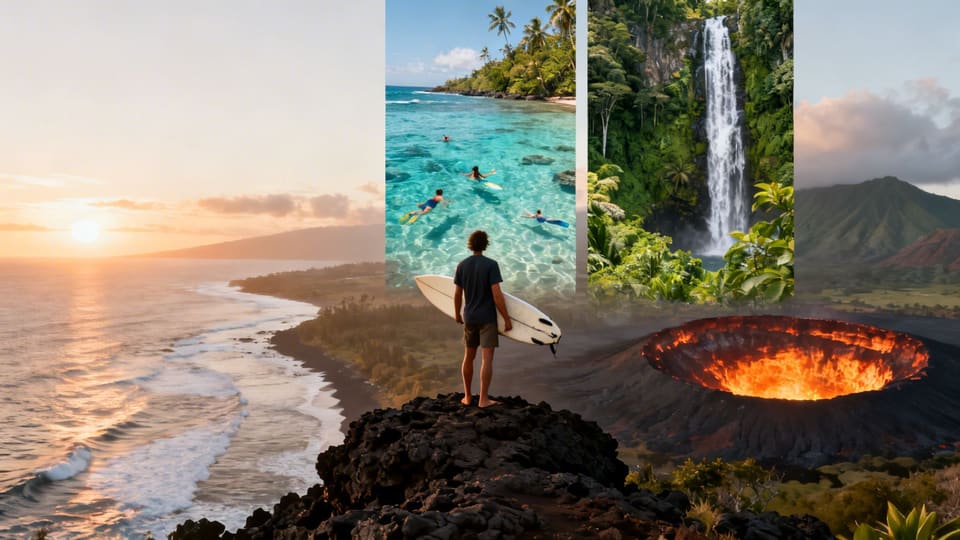
Hawaii is more than just stunning beaches; it's an archipelago of adventure waiting to be discovered. From the spiritual calm of a Haleakalā sunrise to the historic weight of Pearl Harbor, the islands offer a kaleidoscope of experiences for every type of traveler. Planning your trip can feel overwhelming with so many choices, whether you're an adrenaline junkie, a history buff, a nature lover, or a family looking for unforgettable memories.
This guide cuts through the noise. We have curated a definitive list of the most essential activities in Hawaii, giving you a clear roadmap to the best experiences the islands offer. Forget generic suggestions; this article provides the practical details needed for real-world itinerary building.
Inside, you'll find each activity broken down by island with actionable information:
- Best Times: When to go for the ideal experience.
- Difficulty & Duration: How long it takes and what fitness level is required.
- Price Estimates: A realistic look at your budget.
- Traveler Type: Labels for kid-friendly, couple-focused, or solo adventures.
We provide the "how" and the "why" for each item, from hiking Diamond Head to snorkeling with turtles. Consider this your direct source for creating a Hawaiian vacation that is truly legendary. Let’s dive into the top 10 activities that define an unforgettable trip to the Aloha State.
1. Snorkeling and Diving at Molokini Crater
Just off the coast of Maui lies Molokini, a crescent-shaped volcanic crater that offers one of the most remarkable activities in Hawaii. This partially submerged crater is a State Marine Life and Bird Conservation District, creating a protected sanctuary for marine life. Its unique shape shields the inner cove from strong currents and waves, resulting in astonishingly clear water with visibility often exceeding 150 feet.
This natural aquarium is home to over 250 species of tropical fish, including the humuhumunukunukuāpuaʻa (Hawaii’s state fish), vibrant parrotfish, and graceful manta rays. The crater’s inner reef is perfect for snorkelers of all skill levels, while the dramatic outer wall offers a thrilling drift dive for certified scuba divers, descending to depths of over 300 feet.
Planning Your Molokini Trip
- Difficulty: Easy (Snorkeling) / Moderate to Advanced (Diving)
- Best For: Families, Couples, Solo Travelers
- Duration: 4-6 hours, including boat travel
- Price Estimate: $100 - $200+ per person
Booking a tour is the only way to access the crater. Reputable operators provide all necessary gear, safety instructions, and often breakfast or lunch. For a family-focused outing, Trilogy Excursions is known for its excellent service and spacious catamarans. If you prefer a tour with a strong educational and conservation focus, the Pacific Whale Foundation offers eco-adventures led by certified marine naturalists.
Pro Tip: Book an early morning tour. The water is typically calmer and clearer before the afternoon trade winds pick up, and you’ll share the crater with fewer boats.
To make the most of your excursion, be sure to bring reef-safe sunscreen, an underwater camera, and any necessary anti-nausea medication for the boat ride. Planning your trip well in advance, especially during peak season, is crucial. If you're building a complete travel plan, our Hawaii itinerary and budget guide can help you fit this must-do activity into your schedule and budget.
2. Hiking Diamond Head
Looming over the Waikiki coastline, Diamond Head (Lēʻahi) is one of Oahu's most iconic landmarks and a must-do activity in Hawaii. This 760-foot volcanic tuff cone offers a rewarding hike that combines natural beauty with a dose of history. The trail winds its way to a summit that delivers breathtaking 360-degree views of Honolulu, the Pacific Ocean, and the island's lush interior.
The 1.6-mile roundtrip path is paved for much of the way but becomes steep, with switchbacks, a long staircase, and a tunnel leading through historic military bunkers from World War II. While moderately challenging, the payoff is one of the most famous panoramic vistas in all of Hawaii, making it a favorite for both first-time visitors and local residents.
Planning Your Diamond Head Hike
- Difficulty: Moderate
- Best For: Solo Travelers, Couples, Active Families
- Duration: 1.5 - 2 hours
- Price Estimate: $5 entry fee per person + $10 per car for parking
Reservations are now required for all out-of-state visitors and can be made online through the Go Hawaii State Parks website. You must book a specific time slot for entry. This system helps manage crowds and preserve the trail, so plan accordingly.
Pro Tip: Start your hike before 8 AM. This allows you to avoid the intense midday heat and the largest crowds, which typically arrive mid-morning. Weekdays are also significantly less crowded than weekends.
To ensure a comfortable climb, bring at least one liter of water per person, wear sturdy shoes with good grip, and apply plenty of sunscreen. Don't forget a hat and sunglasses for sun protection, as much of the trail is exposed. If you're building out an Oahu itinerary, our Hawaii itinerary and budget guide can help you perfectly schedule this unforgettable hike.
3. Visiting Pearl Harbor and USS Arizona Memorial
A visit to Pearl Harbor offers one of the most poignant and historically significant activities in Hawaii. This National Historic Landmark on Oahu serves as a solemn tribute to the service members and civilians who lost their lives during the attack on December 7, 1941. The site is a place of quiet reflection, inviting visitors to understand the events that propelled the United States into World War II.
The experience centers on the USS Arizona Memorial, a serene white structure built over the sunken battleship where 1,177 crewmen remain entombed. The journey includes a powerful documentary film and a short boat ride across the harbor to the memorial itself. From the viewing platform, you can see the "black tears" of oil that still seep from the wreckage below, a stark and moving reminder of the human cost of conflict.
Planning Your Pearl Harbor Visit
- Difficulty: Easy
- Best For: Families, History Buffs, Solo Travelers
- Duration: 2-4 hours for the core experience
- Price Estimate: Free (USS Arizona Program) / $25+ (Other historic sites)
Access to the USS Arizona Memorial program is free, but reservations are required and can be booked online via Recreation.gov. These timed tickets are released eight weeks in advance and are highly sought after. A small number are also released daily at 3 PM HST for the following day. Be aware that strict security measures are in place; no bags of any kind are permitted, though small wallets and clear stadium bags are usually allowed.
Pro Tip: Arrive at least an hour before your scheduled ticket time. This gives you ample time to clear security, explore the visitor center's museums, and read the interpretive displays that provide crucial context before you watch the film.
While the USS Arizona is the main draw, consider allocating extra time to visit the other Pearl Harbor Historic Sites, such as the Battleship Missouri Memorial and the Pearl Harbor Aviation Museum, for a fuller understanding of the war's beginning and end. While exploring history, you can also learn more about how to experience Kauai's unique Hawaiian culture and traditions to round out your trip.
4. Hiking to Manoa Falls
Just minutes from downtown Honolulu, the Manoa Falls trail offers one of Oahu's most accessible and picturesque activities in Hawaii. This 1.6-mile roundtrip hike takes you through a lush tropical rainforest, a stark contrast to the nearby city bustle. The path culminates at the base of a stunning 150-foot waterfall, creating an enchanting atmosphere often filled with a gentle mist.
The Manoa Valley's verdant canopy is home to an incredible array of native plants, giant ferns, and towering banyan trees. Thanks to its cinematic beauty, the trail has become one of Oahu's most Instagrammed waterfalls and a popular backdrop for photos. Its proximity to Honolulu makes it an easy addition to any island itinerary, providing a quick escape into nature.
Planning Your Manoa Falls Hike
- Difficulty: Easy to Moderate
- Best For: Families, Couples, Solo Travelers
- Duration: 1.5-2.5 hours
- Price Estimate: $5 for parking (if using the lot); otherwise free
The trail is well-defined but can be extremely muddy and slippery, especially after rain. For this reason, waterproof hiking shoes with excellent traction are essential. While the hike is relatively short, the humid conditions mean bringing plenty of water is a must. During the wetter season from November to April, the waterfall's flow is at its most impressive.
Pro Tip: Arrive early in the morning (before 9 a.m.) to secure a parking spot and enjoy the trail with fewer people. This also helps you avoid the hotter, more humid midday conditions. Don't forget to apply insect repellent before you start.
Although swimming is not permitted in the pool at the base of the falls due to the risk of falling rocks and leptospirosis, the view is a fantastic reward. For extra stability on the slick, uneven terrain, consider bringing hiking poles. Always check the weather forecast before heading out and avoid the trail during periods of heavy rain, which can make it unsafe.
5. Sunrise or Sunset Viewing at Haleakala National Park
Haleakala, meaning "House of the Sun" in Hawaiian, is a massive 10,023-foot shield volcano on Maui that offers one of the most sublime activities in Hawaii. Ascending to the summit places you above a sea of clouds, providing otherworldly vistas into a vast volcanic crater. Witnessing the sunrise or sunset from this vantage point is a truly unforgettable experience, as the sky erupts in dramatic colors across the stark, beautiful landscape.
The park's high altitude creates an environment unlike any other in Hawaii, with temperatures often dropping to near freezing. This dramatic shift from the warm coasts below makes the journey a spectacle in itself. As the sun rises or sets, it paints the crater floor and surrounding clouds in hues of orange, pink, and purple, a sight that has inspired everyone from ancient Hawaiians to modern-day travelers and artists.
Planning Your Haleakala Trip
- Difficulty: Easy (requires driving and some walking)
- Best For: Couples, Solo Travelers, Families with older children
- Duration: 4-6 hours, including drive time from your accommodation
- Price Estimate: $30 per vehicle (park entrance fee), plus reservation fee for sunrise
Accessing the summit for sunrise requires a reservation made well in advance through the National Park Service website, as spots are limited and highly sought after. Sunset viewing does not require a reservation but is equally stunning and often less crowded. For a seamless experience, Haleakala EcoTours provides guided trips that handle transportation and share cultural insights, removing the stress of the early morning drive. Alternatively, driving yourself allows for greater flexibility to explore the park's trails after the main event.
Pro Tip: Pack multiple layers of clothing. Temperatures at the summit can be 30°F or more colder than at sea level. Bring a winter jacket, hat, and gloves to stay comfortable while you wait for the sun.
Before you go, ensure your car has a full tank of gas, as there are no fuel stations in or near the park. Bring water and snacks to combat the effects of the high altitude. Checking the weather forecast on the day of your trip is also a good idea; heavy cloud cover can obscure the view, so flexibility is key.
6. Surfing Lessons and Beach Days
As the birthplace of modern surfing, Hawaii offers an authentic and thrilling opportunity to ride the waves. Popularized by icons like Duke Kahanamoku and contemporary stars like John John Florence, learning to surf is one of the most quintessential activities in Hawaii. The islands’ warm waters and variety of breaks, from the gentle rollers of Waikiki to the legendary swells of the North Shore, create the perfect classroom for everyone.
Whether you're a first-timer or looking to improve, you'll find countless surf schools with certified instructors. Gentle beach breaks on Oahu and Maui are ideal for building confidence, while seasoned surfers can witness professionals tackle monsters at events like the Vans Triple Crown of Surfing. It's more than just a sport; it’s a connection to Hawaiian culture and the powerful Pacific Ocean.
Planning Your Surfing Experience
- Difficulty: Easy (Beginner Lessons) / Advanced (North Shore)
- Best For: Solo Travelers, Couples, Families with older kids
- Duration: 2-3 hours per lesson
- Price Estimate: $75 - $150+ per person for a group lesson
Booking a lesson with a reputable school is the best way to start. Instructors not only teach technique but also crucial ocean safety and etiquette. Blue Planet Surf School on Oahu is a highly-rated option known for its quality instruction. If you're new to the sport, understanding how to choose the best surfboards for beginners can make a huge difference in your learning curve and enjoyment.
Pro Tip: Book your lesson for the early morning. You'll often find smaller class sizes, calmer waves, and less crowded waters, creating a much better learning environment before the midday sun and wind arrive.
For a successful session, wear reef shoes to protect your feet, apply reef-safe sunscreen liberally, and stay hydrated. Consider taking two or three lessons rather than just one to see real progress and build muscle memory. Most importantly, embrace the spirit of aloha and have fun.
7. Exploring the Road to Hana
The Road to Hana is more than just a drive; it's a legendary journey that stands as one of the most iconic activities in Hawaii. This 64-mile stretch along Maui's rugged eastern coastline is a scenic marvel, weaving through lush rainforests, past cascading waterfalls, and offering dramatic ocean vistas. With over 600 curves and 59 narrow bridges, the drive itself is an adventure, rewarding patient travelers with access to some of the island's most pristine natural beauty.
This historic route is dotted with countless opportunities for exploration. You can stop to swim in a crystal-clear waterfall pool, hike through a bamboo forest, or relax on a unique black sand beach at Waiʻānapanapa State Park. Each turn reveals a new landscape, from vibrant botanical gardens to roadside stands selling fresh banana bread, making the drive an essential Maui experience.
Planning Your Road to Hana Trip
- Difficulty: Moderate (Self-driving requires focus) / Easy (Guided tour)
- Best For: Couples, Adventurous Solo Travelers, Families with older children
- Duration: 8-12 hours, depending on stops
- Price Estimate: $20 - $50 (Gas and snacks) / $150 - $250+ per person (Tour)
While you can drive yourself, joining a tour is a great alternative if you’re uncomfortable with narrow, winding roads. Local guides know the best-hidden spots and handle all the driving, letting you fully immerse yourself in the scenery. For a well-regarded small-group experience, Valley Isle Excursions offers tours in custom cruisers with large windows. If you prefer to go at your own pace, consider a self-guided audio tour app like the Shaka Guide.
Pro Tip: Start your drive no later than 7 AM. An early start helps you stay ahead of the crowds at popular stops and ensures you have enough daylight for the entire journey without feeling rushed. Also, fill your gas tank completely in Paia before you begin.
Remember to pack swimsuits, towels, and plenty of snacks and water. Many visitors turn around in Hana town, but continuing the drive through the "backside" via the Piilani Highway offers a completely different, ruggedly beautiful landscape (check rental car agreements and road conditions first). For a seamless trip, our Hawaii itinerary and budget guide can help you allocate a full day for this unforgettable drive.
8. Whale Watching (Humpback Whales)
From December to April, the warm, sheltered waters of Hawaii become the stage for one of nature’s most awe-inspiring events. Thousands of humpback whales journey from the frigid feeding grounds of Alaska to the Hawaiian Islands to mate, give birth, and nurse their young. This annual migration makes whale watching one of the most moving activities in Hawaii, especially in the channels between Maui, Molokini, and Lānaʻi.
Witnessing these gentle giants is a profound experience. You can see them launch their entire bodies out of the water in a full breach, slap their powerful tails on the surface, or send misty spouts into the air. Tours led by expert guides provide incredible viewing opportunities, often with sighting rates exceeding 95% during the peak season.
Planning Your Whale Watching Tour
- Difficulty: Easy
- Best For: Families, Couples, Nature Enthusiasts
- Duration: 2-4 hours
- Price Estimate: $60 - $150+ per person
Booking a guided boat tour is the best way to see the whales. For an intimate viewing, smaller vessels like rafts can get you closer to the action quickly. If you prefer stability and amenities, larger catamarans offer a more comfortable ride. Companies like Trilogy Excursions often combine whale watching with snorkeling, while eco-focused operators like the Pacific Whale Foundation feature on-board marine naturalists who provide educational commentary.
Pro Tip: For the calmest water and optimal viewing conditions, book an early morning tour. The ocean breezes tend to pick up in the afternoon, creating a choppier ride.
Pack a camera with a good zoom lens, and bring layers, as it can be cool and windy on the water. If you're prone to seasickness, take medication before boarding. Remember to book your tour several weeks in advance, particularly from January to March, when demand is highest. Our Hawaii itinerary and budget guide offers more tips on scheduling seasonal activities like this one.
9. Visiting Local Farmers Markets and Food Experiences
To truly taste the islands, one of the most rewarding activities in Hawaii is exploring its vibrant farmers markets. These bustling gatherings are more than just a place to buy produce; they are a direct line to the heart of Hawaiian culture, agriculture, and community. Here, you can find an incredible array of fresh tropical fruits, locally made honey, macadamia nuts, and artisan foods while supporting the local economy.
From the sprawling KCC Farmers Market in Honolulu to smaller, intimate gatherings on the Big Island, each market has its own unique character. You'll have the chance to chat with vendors, learn about exotic fruits, and sample prepared dishes like poi (taro paste), plate lunches, and shave ice. It’s an authentic experience that connects you to the land and its people in a delicious way.
Planning Your Market Trip
- Difficulty: Easy
- Best For: Families, Foodies, Solo Travelers
- Duration: 1-3 hours
- Price Estimate: $10 - $50+ (depending on your purchases)
Markets are a staple of island life, with schedules varying by location. Popular options include the KCC Farmers Market in Honolulu (Saturdays), the Maui Swap Meet (Saturdays), and numerous markets in Hilo and Kona on the Big Island. No bookings are needed, just show up ready to explore.
Pro Tip: Arrive right when the market opens, usually around 7:30 AM. You’ll get the best selection and find parking more easily. Bring cash in small bills, as many vendors don't accept cards.
For an even deeper culinary adventure, ask vendors if they offer farm tours. To discover more hidden gems and local favorites beyond the markets, you can use modern tools to find great local restaurants. You can learn more about how to find local restaurants with AI-powered apps to enhance your food journey across the islands.
10. Snorkeling at Turtle Town (Maui) or Turtle Beach (Oahu)
Few activities in Hawaii are as memorable as swimming alongside the majestic Hawaiian Green Sea Turtle (Honu). These gentle, protected creatures are a symbol of good luck and longevity in Hawaiian culture, and several spots offer reliable, accessible opportunities for an unforgettable encounter. Whether from the shore or a boat, observing these animals in their natural habitat is a truly special experience.
On Maui, "Turtle Town" refers to a stretch of coastline along the southern shore, particularly Maluaka Beach, known for its high concentration of sea turtles that come to feed on algae. On Oahu, Laniakea Beach on the North Shore is famously nicknamed "Turtle Beach" because turtles often haul themselves onto the sand to rest. Both locations provide incredible wildlife viewing for snorkelers of all ages and abilities.
Planning Your Turtle Snorkeling Trip
- Difficulty: Easy
- Best For: Families, Couples, Solo Travelers
- Duration: 1-3 hours (shore-based) / 3-5 hours (boat tour)
- Price Estimate: Free (from shore) / $70 - $150+ per person (boat tour)
For shore-based snorkeling, simply bring your own gear or rent from a local shop. If you prefer a guided experience, boat tours from Maui's Ma'alaea Harbor or Kihei Boat Ramp specifically visit Turtle Town. These tours, like those offered by Kai Kanani Sailing, often provide gear, food, and expert guidance on finding the turtles while respecting their space.
Pro Tip: Federal law requires you to stay at least 10 feet away from sea turtles at all times. Move slowly, never touch them, and use reef-safe sunscreen to protect their fragile ecosystem. Calm, quiet observation is key to a positive and respectful interaction.
Top 10 Hawaii Activities Comparison
| Activity | 🔄 Complexity | ⚡ Resources & Time | ⭐ Expected Experience | 📊 Key Advantages / Impact | 💡 Ideal Use Cases & Tips |
|---|---|---|---|---|---|
| Snorkeling and Diving at Molokini Crater | Moderate — boat logistics; weather-dependent | Boat tour required; cost $100–$200+; half-day | Exceptional visibility and diverse marine life | High wildlife viewing; photogenic; protected sanctuary | Families, snorkelers, content creators; book morning tours; use reef‑safe sunscreen |
| Hiking Diamond Head | Low–Moderate — paved trails, switchbacks | Short hike 1.5–2 hrs; minimal cost ($5) | Iconic summit views and accessible challenge | High photo payoff; close to Waikiki; combines history & exercise | Intermediate hikers, families; go early, bring water and sun protection |
| Visiting Pearl Harbor & USS Arizona Memorial | Low — guided, security protocols | Free admission (timed entry); 2–3 hrs; ID required | Somber, educational, historically significant | Strong educational/heritage impact; national significance | History-focused visitors and families; arrive early, bring valid ID |
| Hiking to Manoa Falls | Low — well-marked rainforest trail | 1.6-mile roundtrip; free; wet/muddy conditions likely | Scenic waterfall in lush rainforest | Great photo opportunity; shaded, family-friendly | Casual hikers and photographers; wear traction shoes, avoid after heavy rain |
| Sunrise/Sunset at Haleakala NP | Moderate — early start, high altitude | Drive required; entry fee ~$30/vehicle; pre-dawn schedule | Dramatic above-the-cloud vistas; potentially transformative | Unique landscape photography; spiritual/once-in-a-lifetime feel | Early-rising travelers and photographers; layer clothing, check weather, reserve spot |
| Surfing Lessons and Beach Days | Low–Moderate — instructor-led, safety briefings | Lessons 1–2 hrs; $50–$150+; equipment usually included | Fun, active learning in iconic surf culture | Skill-building, social and mental health benefits | Beginners seeking activity; book mornings, wear reef shoes, apply waterproof sunscreen |
| Exploring the Road to Hana | High — long drive, narrow roads, many stops | Full-day commitment; rental car and fuel; limited services | Immersive scenic drive with multiple natural highlights | Highly scenic; flexible itinerary; varied attractions | Adventurous drivers and photographers; start early, pack supplies, consider guided option |
| Whale Watching (Humpback Whales) | Moderate — seasonal, boat-based tours | Seasonal (Dec–Apr); tours 2–4 hrs; $50–$200+ | Awe-inspiring wildlife encounters when in season | Educational with high emotional impact; strong photo ops | Nature lovers and families in season; book early, choose naturalist guides, take seasickness precautions |
| Visiting Farmers Markets & Food Experiences | Low — flexible timing, local interactions | Low cost per item; morning hours common | Authentic culinary and cultural sampling | Supports local economy; budget-friendly food options | Foodies and budget travelers; bring cash, arrive early for best selection |
| Snorkeling at Turtle Town / Turtle Beach | Low–Moderate — shore or short boat access | Short tours or shore entry; $0–$150; shallow water | Close encounters with sea turtles in natural habitat | High probability of turtle sightings; conservation value | Families and animal lovers; maintain distance, use ethical operators and reef-safe sunscreen |
Planning Your Perfect Hawaiian Itinerary
The Hawaiian Islands offer a breathtaking spectrum of experiences, from the quiet reverence of Pearl Harbor to the vibrant energy of a Haleakalā sunrise. We’ve journeyed through iconic hikes like Diamond Head, underwater wonders at Molokini Crater, and the winding beauty of the Road to Hana. Each of these activities in Hawaii provides a unique window into the soul of the islands, blending natural beauty with rich cultural heritage.
Your perfect Hawaiian vacation isn’t about doing everything; it’s about choosing the experiences that resonate most with you. By balancing popular attractions with local gems, you can create a journey that feels both exciting and personal. Remember to apply the practical tips we've discussed, such as booking high-demand tours well in advance and respecting the local environment.
Building Your Actionable Itinerary
The key to a successful trip lies in smart, flexible planning. Let's distill the most important takeaways to help you build your schedule:
- Book Smart: Activities like the USS Arizona Memorial, Haleakalā sunrise reservations, and popular luaus book up months in advance. Secure these non-negotiable items first.
- Cluster Activities Geographically: When planning your days, group activities by location. For example, on Oahu, you could pair a morning hike at Diamond Head with an afternoon at Waikiki Beach. On Maui, a day trip on the Road to Hana logically keeps you on the island's eastern side.
- Embrace Early Mornings: Hawaii operates on an early-to-rise schedule. Starting your day at sunrise helps you beat the crowds at popular spots and avoid the intense midday heat, whether you're hiking to Manoa Falls or finding a prime spot on the beach.
- Incorporate "Down Time": Resist the urge to overschedule. The magic of Hawaii is often found in unplanned moments, like lingering at a local farmers market or simply watching the waves. Build buffer time into your itinerary for spontaneity.
- Respect the ‘Āina (Land): Always practice responsible tourism. This means using reef-safe sunscreen, never touching marine life like sea turtles, staying on marked trails, and leaving places better than you found them. If you're looking for an unforgettable marine encounter, consider trying snorkeling with turtles on Oahu with a guide who can ensure a safe and respectful experience for both you and the wildlife.
By weaving these strategies into your planning process, you move beyond a simple list of activities and begin to craft a cohesive, thoughtful adventure. The goal is to spend your vacation time enjoying the aloha spirit, not stressing over logistics. With the right preparation, you can ensure your trip is filled with incredible memories that will last a lifetime. Your dream Hawaiian adventure is just a plan away.
---
Feeling overwhelmed by all the options? Let Highlights.ai help you organize your research and build your perfect Hawaiian itinerary. Use it to clip ideas, map out your days, and create a personalized travel plan that brings all these incredible activities in Hawaii together.
What are the must-do activities in Hawaii for a first-time visitor? For a first-timer, a balanced itinerary should include a mix of history, nature, and relaxation. Key activities include visiting the Pearl Harbor National Memorial on Oahu, watching the sunrise from Haleakalā on Maui, driving the Road to Hana, and experiencing a traditional luau. These provide a great overview of Hawaii's diverse offerings.
How can I save money on activities in Hawaii? To save money, book flights and accommodations several months in advance. Look for tour bundles or multi-activity passes, and take advantage of free activities like hiking, enjoying the public beaches, and visiting farmers markets. Packing your own snacks and a reusable water bottle can also cut down on daily costs.
What is the best way to respect Hawaiian culture and the environment during my trip? Always follow the principle of "mālama ‘āina," which means caring for the land. Use reef-safe sunscreen to protect coral reefs, never touch or feed wildlife, stay on designated trails, and learn a few basic Hawaiian words like "aloha" (hello/goodbye) and "mahalo" (thank you). Respecting sacred sites and local customs is essential for a positive experience.