
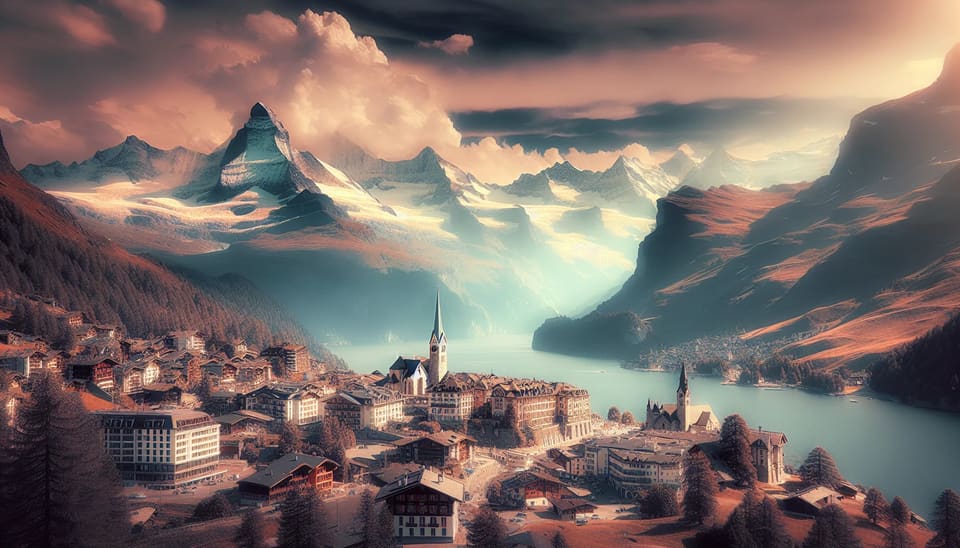
How to get to Zermatt? This guide shows you the simplest routes into this iconic Swiss village and how to move around once you arrive. You'll learn the best transport options, what to expect in a car-free destination, and practical tips for a smooth journey using clear advice on how to get to Zermatt.
Why Zermatt, Switzerland’s Car‑Free Village Experience Stands Out
What makes How to Get to Zermatt and Navigate the Car-Free Village in Zermatt, Switzerland unique is the blend of seamless, scenic access and the deeply rooted Zermatt, Switzerland cultural experience shaped by its car-free tradition and iconic alpine heritage.
Authentic Alpine Arrival: Reaching Zermatt by scenic train preserves the traditional mountain experience while protecting its natural heritage.
Car‑Free Tradition: The village’s long-standing policy of allowing only electric carts maintains Zermatt, Switzerland tradition and supports a peaceful, authentic ambiance.
Iconic Cultural Touches: Wander through centuries-old wooden chalets and learn about the region’s mountaineering past, a core Zermatt, Switzerland cultural experience.
Easy Navigation: Walkable lanes and efficient electric taxis make exploring the historic village center simple and environmentally friendly.
Heritage Preserved: The absence of cars enhances views of the Matterhorn and safeguards Zermatt’s traditional atmosphere for generations.
Best Places to Visit in Zermatt, Switzerland – Top Experiences in the Car-Free Alpine Village
- Matterhorn Glacier Paradise – Best Panoramic Mountain View in ZermattArrive early in the morning for clearer skies and the best lift availability. This iconic viewpoint is famous for offering the highest cable car station in Europe. Head to the ice palace tunnels for a quiet, crowd-free moment inside the glacier.
- Gornergrat Railway – Most Famous Scenic Train Ride in ZermattBook your ticket in advance during peak seasons. This ridge is iconic for its unbeatable panorama of 29 Alpine peaks. Sit on the right side of the train for the best Matterhorn shots on the ascent.
- Historic Old Village of Zermatt – Best Authentic Swiss Alpine ExperienceVisit at sunset for magical lighting and fewer crowds. This area is iconic because it showcases the traditional life of old Zermatt. Wander the Hinterdorf lanes to see centuries-old wooden chalets still preserved today.
- Sunnegga Paradise – Best Family-Friendly Mountain Viewpoint in ZermattSunnegga funiculars run quickly, making this an easy half-day adventure. It’s iconic for its sunny terraces with postcard Matterhorn views. Walk to Leisee Lake for picture-perfect reflections of the Matterhorn.
Travel tips
When planning your trip, many travelers ask about the best time to experience How to Get to Zermatt and Navigate the Car-Free Village. Late June to early October is ideal for hiking and clear Matterhorn views, while December to March offers world-class skiing and a cozy alpine atmosphere. These seasons provide the most reliable transport connections into the region, making arrival via the scenic train from Täsch or Visp smooth and memorable. If you’re searching for travel tips for Zermatt, Switzerland, timing your visit around clear weather and lighter crowds will improve both your arrival experience and your ease of navigating the village’s pedestrian-friendly streets. For travelers wondering where to find and how to book authentic experiences, consider checking local tourism offices, Zermatt’s official website, and small guiding companies that specialize in mountaineering, food tastings, and cultural walks. Many providers allow online booking, but some traditional alpine experiences, such as local farm visits or cheese-making demonstrations, are often arranged directly on-site or through your hotel concierge. Payment in Zermatt is straightforward—credit cards are widely accepted, though carrying a small amount of Swiss francs is helpful for smaller cafés or mountain huts. Respect local etiquette by greeting shopkeepers with a polite “Grüezi,” being mindful of noise in residential areas, and yielding to electric taxis and hotel shuttles that share the pedestrian streets. Keeping these simple cultural and practical tips in mind will help you enjoy a smooth and respectful stay in this unique car-free mountain village.