
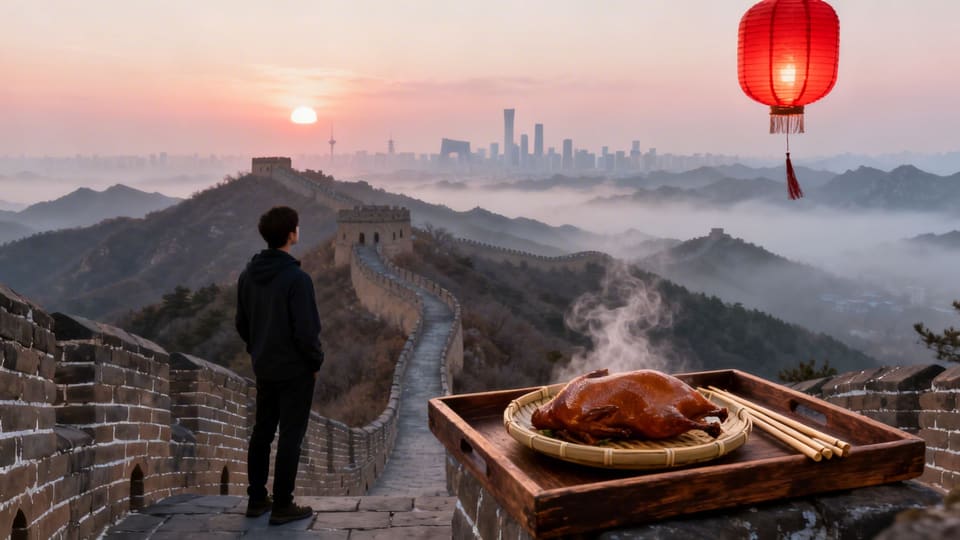
Beijing is more than just a capital city; it's a sprawling chronicle of Chinese history, a hub of modern innovation, and a culinary paradise waiting to be explored. Planning a trip here can feel overwhelming, with thousands of years of history competing with a vibrant, fast-paced contemporary culture. This guide cuts through the noise to offer a curated list of essential things to do in Beijing, designed for every type of traveler.
Forget generic advice. This article provides a practical roadmap, whether you're a solo adventurer seeking offbeat experiences, a family looking for kid-friendly activities, or a couple planning a romantic getaway. Each recommendation is broken down into actionable steps, including how to get there, the best time to visit, and estimated costs. We've organized everything into clear categories: must-see landmarks, immersive cultural experiences, neighborhood explorations, and authentic food journeys.
Inside, you will find detailed itineraries for seeing the Great Wall without the crowds, specific instructions for navigating the vast Forbidden City, and tips for savoring authentic Peking duck like a local. We also include unique ideas, like joining a traditional cooking class or exploring the city’s historic hutong alleyways. Use this guide to build a personalized itinerary that matches your travel style, budget, and interests, ensuring your trip to Beijing is both memorable and easy to plan.
1. Visit the Forbidden City and Imperial Palace Complex
No trip to Beijing is complete without walking through the Meridian Gate into the vast expanse of the Forbidden City. This sprawling UNESCO World Heritage site was the heart of imperial China for nearly 500 years, serving as the home of emperors and the ceremonial and political center of the government. Its 980 surviving buildings, spread across 72 hectares, represent the pinnacle of traditional Chinese palatial architecture.
Stepping inside feels like entering another world. The complex is a masterpiece of symmetry and symbolism, with every detail from the color of the roof tiles to the number of statuettes on the eaves holding deep cultural meaning. This is one of the most essential things to do in Beijing to understand the scale and grandeur of its imperial past.
Practical Information & Tips
- Why Go: To witness the world's largest palace complex and immerse yourself in the art, architecture, and history of the Ming and Qing dynasties.
- Best Time to Visit: Visit on a weekday during the shoulder seasons (April-May or September-October) to avoid the largest crowds and enjoy pleasant weather. Morning entry is often less crowded than the afternoon.
- Estimated Time & Cost: Plan for at least 4-5 hours. The standard adult ticket costs ¥60 (April-October) or ¥40 (November-March). Additional fees apply for the Treasury Gallery and the Clock and Watch Gallery.
- How to Get There: Take Subway Line 1 to Tian'anmen East (Exit B) or Tian'anmen West (Exit B). From there, walk north through the Tian'anmen Gate to reach the Meridian Gate, the main entrance.
Pro Tip: Tickets for the Forbidden City (known as the Palace Museum) must be booked online in advance, as they sell out quickly and are not sold on-site. Use the official "Palace Museum" WeChat mini-program or website. Passports are required for booking and entry.
Itinerary Suggestions
- For Families: Rent an audio guide at the entrance. The stories and historical facts can bring the empty halls to life for children and adults alike. Stick to the central axis but don't miss the Imperial Garden for a beautiful resting spot.
- For Couples: After exploring the main halls, wander into the quieter western or eastern palaces. These smaller courtyards offer a more intimate glimpse into the daily lives of the imperial court and concubines, providing a romantic and peaceful escape from the main crowds.
- For Solo Travelers: Chart your own course away from the central axis. The less-visited galleries, like the Treasury Gallery or the Clock and Watch Gallery, contain stunning collections of imperial treasures and are often much quieter.
2. Visit the Forbidden City and Imperial Palace Complex
No trip to Beijing is complete without walking through the Meridian Gate into the vast expanse of the Forbidden City. This sprawling UNESCO World Heritage site was the heart of imperial China for nearly 500 years, serving as the home of emperors and the ceremonial and political center of the government. Its 980 surviving buildings, spread across 72 hectares, represent the pinnacle of traditional Chinese palatial architecture.
Stepping inside feels like entering another world. The complex is a masterpiece of symmetry and symbolism, with every detail from the color of the roof tiles to the number of statuettes on the eaves holding deep cultural meaning. This is one of the most essential things to do in Beijing to understand the scale and grandeur of its imperial past.
Practical Information & Tips
- Why Go: To witness the world's largest palace complex and immerse yourself in the art, architecture, and history of the Ming and Qing dynasties.
- Best Time to Visit: Arrive by 8:30 a.m. on a weekday, especially during the shoulder seasons (April-May or September-October), to avoid the largest crowds and enjoy pleasant weather.
- Estimated Time & Cost: Plan for at least 3-4 hours. The standard adult ticket costs ¥60 (April-October) or ¥40 (November-March). Additional fees apply for the Treasury Gallery and the Clock and Watch Gallery.
- How to Get There: Take Subway Line 1 to Tian'anmen East (Exit B) or Tian'anmen West (Exit B). From there, walk north through the Tian'anmen Gate to reach the Meridian Gate, the main entrance.
Pro Tip: Tickets for the Forbidden City (known as the Palace Museum) must be booked online in advance, as they sell out quickly and are not sold on-site. Use the official "Palace Museum" WeChat mini-program or website. Passports are required for booking and entry.
Itinerary Suggestions
- For Families: Rent an audio guide at the entrance. The stories and historical facts can bring the empty halls to life for children and adults alike. Prioritize the main halls first, then find a beautiful resting spot in the Imperial Garden.
- For Couples: After exploring the central axis, wander into the quieter western or eastern palaces. These smaller courtyards offer a more intimate glimpse into the daily lives of the imperial court and concubines, providing a romantic and peaceful escape.
- For Solo Travelers: Wear comfortable shoes and chart your own course away from the central axis. The less-visited galleries, like the Treasury Gallery or the Clock and Watch Gallery, contain stunning collections of imperial treasures and are often much quieter.
3. Experience Traditional Chinese Opera at Jing'an Theater (Peking Opera)
A visit to Beijing offers a unique chance to witness the dazzling art of Peking Opera (Jingju), a performing art that masterfully combines music, martial arts, acrobatics, and stylized acting. The Jing'an Theater provides an immersive setting to experience this cultural treasure, where performers in elaborate costumes and intricate face paint bring classic Chinese legends and historical tales to life. This is one of the most vibrant things to do in Beijing for a memorable cultural evening.
The performance is a feast for the senses. Even without understanding every word, the expressive movements, powerful vocals, and dynamic acrobatics tell a compelling story. Many theaters, including Jing'an, offer English subtitles, making the complex plots accessible to international visitors. Some even provide highlight shows or backstage tours, offering a closer look at the artistry behind the curtain.
Practical Information & Tips
- Why Go: To experience a quintessential Chinese art form known for its stunning visuals, unique musical style, and acrobatic storytelling. It’s a captivating look into Chinese folklore and history.
- Best Time to Visit: Performances are held year-round in the evening. Booking tickets for a weekday show may be slightly less crowded. Arrive 15-20 minutes early to find your seat and soak in the atmosphere.
- Estimated Time & Cost: A full performance typically lasts 1.5-2 hours. Ticket prices can range from ¥180 to ¥680 depending on the show and seating location.
- How to Get There: Jing'an Theater is centrally located. A common way to get there is by taxi or a ride-sharing service, as it's a well-known venue. Ask your hotel for the best public transport route based on your location.
Pro Tip: Read a synopsis of the story before the show begins. Understanding the characters and plot will greatly enrich your viewing experience and help you appreciate the nuances of the performance. Also, confirm the theater's policy on photography before filming.
Itinerary Suggestions
- For Families: Choose a show that features more acrobatics and martial arts, which are visually exciting and engaging for all ages. Some theaters offer shorter "highlight" reels perfect for younger attention spans.
- For Couples: Pair the opera with a pre-show dinner at a nearby Peking Duck restaurant for a classic Beijing date night. Afterward, enjoy the dramatic and romantic tales that often feature in Peking Opera stories.
- For Solo Travelers: Sit near the front-middle to get a close-up view of the detailed makeup and subtle facial expressions. Consider a venue that offers a backstage tour to learn more about the symbolic meanings of the costumes and face paint. Technology is also helping to preserve these traditions; you can explore how AI-powered storytelling for heritage tourism is making culture more accessible.
4. Wander Through the Hutongs and Experience Local Life
To truly get a feel for old Beijing, you must explore its historic hutongs. These narrow alleyways and the traditional courtyard homes (siheyuan) that line them are the city's living heart, reflecting centuries of local residential life. Getting lost in these maze-like lanes offers a fascinating contrast to the grand monuments, revealing a world of local shops, quiet tea houses, and enduring community traditions.
Exploring these neighborhoods is one of the most authentic things to do in Beijing, providing a genuine glimpse into the daily rhythm of its residents. From the chatter of neighbors to the aroma of street food, the hutongs engage all the senses. Areas near Shichahai and Jingshan Park are particularly popular, offering a mix of preserved history and modern creativity.
Practical Information & Tips
- Why Go: To experience the authentic, traditional side of Beijing's urban culture and witness a way of life that has persisted for generations.
- Best Time to Visit: Go in the early morning to see residents start their day or late afternoon for beautiful light and a lively atmosphere. Weekdays are generally quieter than weekends.
- Estimated Time & Cost: Allow 2-4 hours for a leisurely stroll. Exploring is free, but you may want to budget for snacks, souvenirs, or a rickshaw ride (negotiate the price beforehand).
- How to Get There: Start near the Shichahai area by taking Subway Line 8 to Shichahai Station (Exit A2). Alternatively, the hutongs south of the Lama Temple (Yonghegong) are easily reached from Yonghegong Lama Temple Station (Line 2 or 5).
Pro Tip: Be respectful when taking photos, as these are people's homes. Always ask for permission before photographing residents up close. Download an offline map (like Baidu Maps) before you go, as GPS signals can be weak in the narrow alleys.
Itinerary Suggestions
- For Families: Rent a rickshaw for a guided tour. Drivers often share interesting stories and can point out historical details, making it an engaging and less tiring way for kids to see the area. Stop for tanghulu (candied hawthorn) as a sweet treat.
- For Couples: Explore the quieter, more artistic hutongs like Nanluoguxiang's less-crowded side alleys or the up-and-coming Wudaoying Hutong. These areas are filled with charming cafes, independent boutiques, and galleries perfect for a romantic walk.
- For Solo Travelers: Venture into less-commercialized hutongs like the Dashilar area south of Tian'anmen. This is a great place for street photography and observing authentic local life without the tourist crowds. Don't be afraid to get lost; it's part of the adventure.
5. Savor Peking Duck at a Traditional Restaurant
A trip to Beijing is not truly fulfilled without indulging in its most iconic culinary masterpiece: Peking Duck. More than just a meal, this is a cultural experience steeped in centuries of imperial tradition. The dish involves a meticulously prepared duck, air-dried and roasted over fruitwood until its skin is impossibly thin and crispy, while the meat remains succulent and tender.
The ritual of eating Peking Duck is as important as the flavor itself. A chef often carves the duck tableside, presenting slices of glistening skin and meat to be assembled in thin pancakes with sweet bean sauce, scallions, and cucumber. For anyone looking for authentic things to do in Beijing, this gastronomic event is an absolute must.
Practical Information & Tips
- Why Go: To taste Beijing's most famous dish, a perfect combination of crispy skin and tender meat, and to participate in a classic dining ritual.
- Best Time to Visit: Arrive right when the restaurant opens for lunch (around 11:00 am) or dinner (around 5:00 pm) to avoid long waits, especially at popular spots. Weekdays are generally less crowded than weekends.
- Estimated Time & Cost: Plan for 1.5-2 hours for the full dining experience. A whole duck, enough for 2-4 people, typically costs ¥200-¥400 ($30-$60), with prices varying by restaurant.
- How to Get There: Major Peking Duck restaurants like Quanjude and Dadong have multiple branches throughout the city, many of which are easily accessible via subway. Check the address of your chosen branch and plan your route accordingly.
Pro Tip: If you're dining solo or with just one other person, ask if the restaurant offers a "half duck" (半只鸭, bàn zhī yā). This allows you to enjoy the full experience without ordering more food than you can eat.
Itinerary Suggestions
- For Families: Choose a lively, well-known restaurant like Quanjude. The tableside carving provides great entertainment for all ages, and the interactive element of assembling your own pancakes makes it a fun, hands-on meal for kids.
- For Couples: For a more refined and modern experience, book a table at Dadong Roast Duck or Jing Yaa Tang. These establishments offer an upscale ambiance, creative side dishes, and impeccable service, perfect for a special date night.
- For Solo Travelers: Don't be shy about dining alone. Many restaurants are accustomed to solo diners. Sit at the bar if available, order a half duck, and enjoy watching the theater of the restaurant while you savor every bite.
6. Explore the Summer Palace and Kunming Lake
A stunning masterpiece of Chinese landscape garden design, the Summer Palace (Yihe Yuan) offers a breathtaking escape from the urban energy of Beijing. This expansive imperial retreat, a UNESCO World Heritage site, combines man-made pavilions, halls, and bridges with natural landscapes, centered around Longevity Hill and the vast, serene Kunming Lake. It served as a luxurious summer resort for emperors, and its beauty remains a major draw for visitors today.
Walking through its grounds reveals a harmonious blend of nature and architecture, with every element meticulously planned. From the ornate Long Corridor, decorated with thousands of paintings, to the striking Marble Boat, the palace is filled with iconic sights. Exploring the Summer Palace is an essential thing to do in Beijing for a taste of imperial leisure and classical Chinese aesthetics. The changing seasons bring their own charm, and you might even encounter cultural events; in addition to temple fairs, you might encounter other significant cultural celebrations like the Mid-Autumn Festival during your visit.
Practical Information & Tips
- Why Go: To experience one of the world's most beautiful imperial gardens, admire classical Chinese architecture, and enjoy a peaceful boat ride on Kunming Lake.
- Best Time to Visit: Spring (April-May) and autumn (September-October) offer the most pleasant weather for exploring the vast grounds. Arrive mid-morning on a weekday to avoid the peak crowds that gather at opening time.
- Estimated Time & Cost: Dedicate at least 4-6 hours. A standard adult ticket is ¥30 (April-October) or ¥20 (November-March). A combination ticket including all major sights is recommended and costs ¥60 or ¥50, respectively. Boat rentals cost around $8-$12.
- How to Get There: Take Subway Line 4 to Beigongmen Station (North Gate). This entrance atop Longevity Hill provides a wonderful top-down route through the palace grounds, ending at the lake.
Pro Tip: Renting an electric boat or paddleboat on Kunming Lake offers a completely different perspective of the palace grounds. A 30 to 45-minute ride provides stunning photo opportunities of Longevity Hill and its temples from the water.
Itinerary Suggestions
- For Families: Start at the North Gate and walk down Longevity Hill. After seeing the main temples, head straight for the lake to rent a boat, which is always a hit with kids. Finish by walking along a section of the Long Corridor.
- For Couples: Seek out the quieter, more romantic corners of the park. After visiting the main sites, explore the gardens on the eastern side or cross the picturesque 17-Arch Bridge to South Lake Island for a peaceful stroll away from the crowds.
- For Solo Travelers: Enter through the less-crowded East Gate and explore Suzhou Street, a recreation of a historical commercial street along the back lake. This area offers a different atmosphere and a chance to explore at your own pace before joining the main route.
7. Discover Temple Fairs (Miao Hui) During Festivals
For an explosive dose of local culture, noise, and flavor, timing your trip to coincide with a temple fair (Miao Hui) is one of the most rewarding things to do in Beijing. These lively festivals erupt in parks and temple grounds during major holidays like Chinese New Year, filling the air with the scent of street food, the sound of folk music, and the sight of vibrant parades and performances. It’s a sensory overload in the best way possible.
Originally religious gatherings, modern temple fairs are now massive cultural carnivals. They offer a fantastic opportunity to see traditional Chinese arts, from acrobatic shows and lion dances to sugar painting and calligraphy. You can try classic snacks, play old-fashioned games, and buy unique handicrafts, all while surrounded by the festive energy of Beijingers celebrating their heritage.
Practical Information & Tips
- Why Go: To experience an authentic, high-energy cultural festival and dive into Beijing’s traditional celebrations, food, and folk arts.
- Best Time to Visit: Fairs are seasonal. The largest and most famous occur during Chinese New Year (late January/February). Look for others like the Longtan Lake Water Festival in summer or the Ice & Snow Festival in winter. Arrive before 11:00 AM to beat the worst of the crowds.
- Estimated Time & Cost: Budget 3-4 hours to explore thoroughly. Park entrance fees are usually minimal (¥10-¥30), but bring plenty of cash (¥200-¥300) for food, games, and souvenirs, as many vendors don't accept digital payments.
- How to Get There: Locations vary. For the popular Ditan Park Temple Fair, take Subway Line 2 or 5 to Yonghegong Lama Temple Station and follow the crowds. For Longtan Lake, take Line 10 to Jinsong Station (Exit C).
Pro Tip: Temple fairs get extremely crowded. Keep your valuables secure in a zipped bag worn in front of you. Wear your most comfortable walking shoes, as you’ll be on your feet for hours navigating dense crowds.
Itinerary Suggestions
- For Families: Head straight for the food stalls and game booths. Let children try their hand at ring toss or watch a craftsman spin a sugar dragon. The folk performances, especially acrobatics and puppet shows, are a guaranteed hit with all ages.
- For Couples: Seek out the quieter arts and crafts areas to watch artisans at work. Share a variety of traditional snacks, like tanghulu (candied hawthorns) or fried dough, and find a spot to enjoy a folk opera performance for a unique cultural date.
- For Solo Travelers: Embrace the chaos and follow your senses. Use a translation app to decipher menus and try adventurous foods. The lively atmosphere is perfect for people-watching and photography, capturing the raw energy of a Beijing celebration.
8. Take a Cooking Class and Learn Chinese Culinary Traditions
Beyond just tasting Beijing's incredible food, you can dive deeper into its culinary heart by taking a hands-on cooking class. These sessions offer a chance to learn the secrets behind authentic local dishes directly from chefs or seasoned home cooks. Many classes begin with a guided tour of a local market to select fresh ingredients, providing a genuine slice of daily life in the city.
From mastering the art of folding the perfect dumpling to understanding the "wok hei" that defines a great stir-fry, a cooking class is an interactive and delicious way to engage with Chinese culture. This is one of the most rewarding things to do in Beijing for food lovers, as you’ll leave not only with a full stomach but also with skills to recreate the flavors back home.
Practical Information & Tips
- Why Go: To gain hands-on experience in Chinese cooking, learn about local ingredients, and take home a new set of culinary skills as a unique souvenir.
- Best Time to Visit: Morning classes are often preferred as they may include a visit to a market when produce is at its freshest. Classes are available year-round, rain or shine.
- Estimated Time & Cost: Most classes last 3-4 hours and cost between ¥300 and ¥700 per person, depending on the school and the complexity of the menu.
- How to Get There: Locations vary. Many popular schools, like The Hutong Cooking School, are located within traditional courtyard homes and are accessible via subway and a short walk. Check your specific booking for directions.
Pro Tip: When booking, don't hesitate to ask about dietary accommodations. Most schools are happy to cater to vegetarian, gluten-free, or other needs if notified in advance. Also, bring a small notebook or use your phone to jot down tips the instructor shares that might not be in the printed recipe.
Itinerary Suggestions
- For Families: Choose a class focused on dumplings or hand-pulled noodles. These activities are tactile and fun for all ages, letting kids get their hands messy while learning a new skill.
- For Couples: Opt for a private class or a small-group session in an intimate hutong setting. The shared experience of creating a meal together, followed by enjoying your creations, makes for a memorable and romantic date.
- For Solo Travelers: A group class is a fantastic way to meet other travelers. It provides a friendly, social environment to connect with people from around the world over a shared love of food.
9. Visit the National Museum of China and Major Art Museums
Situated on the eastern edge of Tian'anmen Square, the monumental National Museum of China is a must-visit for anyone interested in the epic saga of Chinese history and art. As one of the largest museums in the world, its collections span from the Yuanmou Man of 1.7 million years ago to the end of the Qing Dynasty, offering an incredible journey through China's cultural and political evolution.
Beyond this national treasure, Beijing's art scene is vibrant and diverse. Institutions like the Central Academy of Fine Arts Museum (CAFA) and the Beijing Contemporary Art Museum provide a look into modern artistic expression, from experimental installations to groundbreaking painting and calligraphy. Visiting these institutions is one of the best things to do in Beijing for a deeper appreciation of the nation's creative spirit, both ancient and modern.
Practical Information & Tips
- Why Go: To explore one of the world's most extensive collections of Chinese artifacts and dive into the country's dynamic contemporary art scene.
- Best Time to Visit: Go on a weekday to avoid the largest crowds. Arrive right at opening or in the late afternoon for a quieter experience inside the massive National Museum.
- Estimated Time & Cost: Budget 3-4 hours for the National Museum. Tickets are free but require advance online registration. Other museums have varying entry fees, typically ¥20-¥60.
- How to Get There: For the National Museum of China, take Subway Line 1 to Tian'anmen East (Exit C or D). Other museums are accessible via subway or taxi.
Pro Tip: Don't try to see everything in the National Museum; it's impossible. Pick 2-3 specific exhibitions, such as "Ancient China" for history or the "Ancient Chinese Jades" gallery for art, and focus on those. Use the museum's official WeChat account for booking and information.
Itinerary Suggestions
- For Families: The "Ancient China" exhibit is a fantastic visual timeline of dynasties and inventions. After the museum, a change of pace might be fun; you can find cooking classes that teach the fundamentals of Chinese cuisine, a great hands-on activity for all ages.
- For Couples: Pair a morning at the National Museum with an afternoon exploring the trendy art galleries in the 798 Art District. The contrast between ancient artifacts and modern art makes for a stimulating and memorable day.
- For Solo Travelers: Deepen your museum experience by downloading an audio guide app for richer context. After exploring the National Museum, head to the lesser-known but equally fascinating Capital Museum for exhibits focused specifically on Beijing's local history. This offers a more focused alternative to the national narrative.
Top 9 Beijing Experiences: Quick Comparison
| Activity | Implementation Complexity 🔄 | Resources & Cost ⚡ | Expected Outcomes ⭐ | Ideal Use Cases 📊 | Key Advantages & Tips 💡 |
|---|---|---|---|---|---|
| Great Wall experiences: Mutianyu, Jinshanling, Simatai | Medium–High — variable routes, logistics for remote sections | Full day (6–8h) + 2+h transport; $30–120; hiking gear recommended | Scenic & adventurous — ⭐⭐⭐ | Hikers, photographers, families (Mutianyu) | Breathtaking views; start early, bring boots/water, book night hikes in advance |
| Visit the Forbidden City and Imperial Palace Complex | Low–Medium — timed tickets and long walking routes | 3–6h; $10–25; comfortable shoes | Iconic historical experience — ⭐⭐⭐ | History/culture lovers, first-time Beijing visitors | Arrive early, book tickets online, rent audio guide for context |
| Experience Traditional Chinese Opera at Jing'an Theater (Peking Opera) | Low — ticketed performance, occasional subtitles | 1.5–2h; $30–80; check schedule | Authentic cultural performance — ⭐⭐ | Cultural explorers, couples, evening plans | Read synopsis beforehand, sit front-middle, confirm photo rules |
| Wander Through the Hutongs and Experience Local Life | Low — self-guided or short guided tours; navigation can be tricky | 2–4h; $0–20 (food optional); offline maps advised | Local immersion & photography — ⭐⭐ | Solo travelers, photographers, intimate city explorers | Go early/late for light, use offline maps, be respectful when photographing residents |
| Savor Peking Duck at a Traditional Restaurant | Low–Medium — reservation often required, table service ritual | 1–2h; $15–50 per person | Culinary highlight — ⭐⭐⭐ | Food lovers, groups, celebratory dinners | Book ahead, ask for half duck for small parties, watch carving performance |
| Explore the Summer Palace and Kunming Lake | Low–Medium — transport + extensive walking; boat options | 3–5h; $10–30; optional boat rental | Scenic garden & relaxation — ⭐⭐⭐ | Nature lovers, couples, families | Enter via Beigongmen, rent a boat mid-morning, wear comfortable shoes |
| Discover Temple Fairs (Miao Hui) During Festivals | Medium — seasonal timing and crowd management | 3–5h; $15–30 (food); expect dense crowds | Festive cultural immersion — ⭐⭐ | Families, food explorers, festival-goers | Arrive before 11am, carry cash, secure valuables in crowds |
| Take a Cooking Class and Learn Chinese Culinary Traditions | Medium–High — market visit + hands-on instruction | 4–5h; $50–120; standing and active participation | Practical skills & cultural insight — ⭐⭐⭐ | Food enthusiasts, home cooks, small groups | Book reputable school, choose morning classes, wear closed-toe shoes |
| Visit the National Museum of China and Major Art Museums | Low–Medium — large collections, advance registration advised | 2–4h; $0–15 (often free with booking) | Comprehensive educational experience — ⭐⭐⭐ | Art/history enthusiasts, rainy-day plans | Reserve free tickets in advance, focus on a few halls per visit |
Your Beijing Adventure Awaits
Beijing is a city of profound contrasts, where imperial grandeur stands alongside the quiet intimacy of neighborhood life, and ancient traditions meet modern energy. As we’ve explored, the best things to do in Beijing are not just about ticking off landmarks from a list. They are about experiencing the city’s multifaceted soul. From the monumental scale of the Great Wall at Jinshanling to the quiet, personal moments found wandering through a historic hutong, your journey through China's capital is a story waiting to be written.
The key takeaway is that Beijing offers a uniquely personal adventure for every type of traveler. A family might find joy in a lively temple fair or boating on Kunming Lake at the Summer Palace, creating shared memories against a backdrop of imperial gardens. A solo traveler, on the other hand, could find their rhythm hiking a remote section of the Great Wall or getting lost in the vast collections of the National Museum of China. For couples, the romance of a Peking Opera performance or a private cooking class can create a deep connection to the city’s rich culture.
Turning Your Itinerary into an Experience
The true magic of a Beijing trip lies in how you connect these diverse experiences. An effective itinerary doesn’t just jump between sights; it builds a narrative.
- For the History Buff: Start your day at the Forbidden City, immersing yourself in the lives of emperors. In the afternoon, transition to the nearby hutongs to see how commoners lived just beyond the palace walls. This creates a powerful contrast between imperial and civilian life.
- For the Food Lover: Don’t just eat Peking Duck. Take a cooking class in the morning to understand the fundamentals of Chinese cuisine, then visit a bustling food market to see the raw ingredients. That evening, your Peking Duck dinner becomes more than a meal; it’s the culmination of a day spent exploring China’s culinary heart.
- For the Culture Seeker: Pair a visit to a grand temple with the vibrant, grassroots energy of a temple fair (if your timing is right). This shows you both the formal, reverent side of Chinese spirituality and its lively, community-focused expression.
By thinking in terms of "pairings" and "themes," you transform a simple list of things to do in Beijing into a thoughtful, cohesive journey. You begin to see the city not as a collection of destinations, but as a living, breathing entity with interconnected parts.
Your Next Steps to an Unforgettable Trip
With this guide in hand, your planning can now move from broad ideas to concrete action. The first step is to identify your travel style and priorities. Are you seeking adventure, relaxation, cultural immersion, or a bit of everything?
Once you have your focus, revisit the sections most relevant to you. Map out a rough daily schedule, using the provided transport and timing details to create a realistic plan. Remember to leave room for spontaneity. Some of the best moments in Beijing happen when you put the map away and follow a curious-looking alleyway or the sound of distant music. The city is a masterpiece of history and humanity, and the most rewarding approach is one that balances meticulous planning with an open heart.
What is the best time of year to visit Beijing to experience the most activities? The best times to visit are during the spring (April–May) and autumn (September–October). During these months, the weather is pleasant for outdoor activities like hiking the Great Wall or exploring the hutongs, and you can also catch events like temple fairs if your trip aligns with a public holiday.
How many days are recommended for a first-time visitor to see the main sights in Beijing? For a first-time trip, a minimum of 4 to 5 days is recommended. This allows you to cover the essential landmarks like the Forbidden City, the Great Wall, and the Summer Palace without feeling rushed. It also gives you time for cultural experiences like savoring Peking Duck and wandering through a hutong neighborhood.
Is Beijing easy to navigate for travelers who don't speak Mandarin? While knowing some basic Mandarin phrases is helpful, navigating Beijing is manageable for non-speakers. The subway system has signs and announcements in English, major tourist sites offer English-language information, and using a translation app on your phone is very effective. Ride-hailing apps also remove the language barrier when getting a taxi.
--- Planning a detailed trip to Beijing involves organizing countless notes, links, and ideas. To keep your research in one place and easily accessible, check out Highlights.ai. It helps you save and organize snippets of information from the web, making it simple to build your perfect itinerary without losing track of a single detail.