
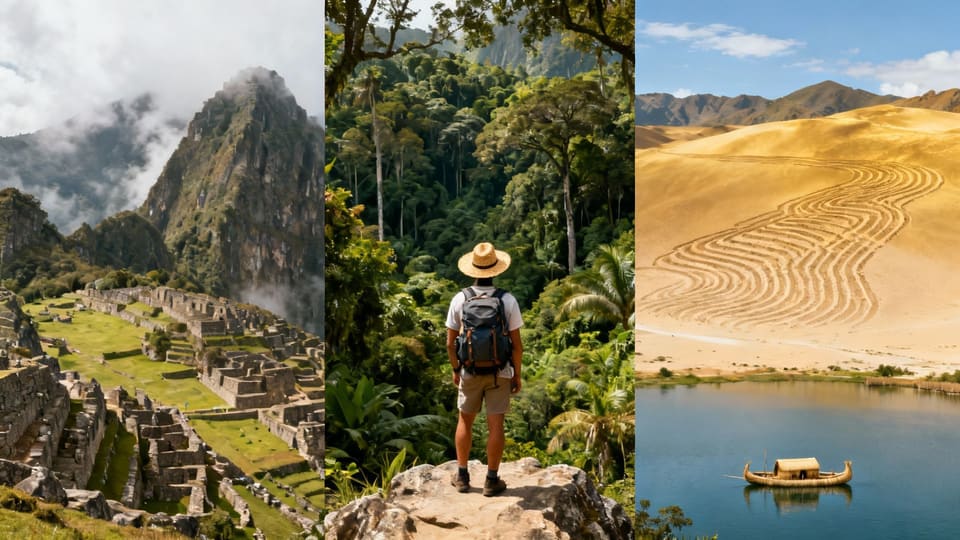
Peru is a country of vibrant contrasts, where ancient empires meet stunning natural landscapes and world-renowned culinary scenes. From the mist-shrouded peaks of Machu Picchu to the buzzing streets of Lima, planning a trip can feel overwhelming given the sheer number of options. This guide is designed to cut through the noise, breaking down the absolute best things to do in Peru into a clear, actionable list. We'll give you a roadmap to crafting the adventure of a lifetime, moving region by region from the Andes to the Amazon.
This isn't just a list; it's a comprehensive resource. For each of the twelve essential activities we cover, you'll find practical details like the best time to visit, suggested duration, and estimated costs. We provide insights on difficulty levels and age suitability, making it easy for solo travelers, couples, and families to find the perfect fit. Our goal is to help you move from inspiration to a well-structured plan.
Whether you're an avid trekker planning to conquer the Inca Trail, a history enthusiast ready to explore Cusco's colonial architecture, or a passionate foodie eager to dive into Lima's culinary world, this guide showcases the very best of Peru. You'll discover not only the iconic sites but also hidden gems and unique cultural experiences, like textile workshops and spiritual retreats. Let's explore the unforgettable things to do in Peru and start building an itinerary that perfectly matches your travel style. With a country this diverse, the perfect journey is all about knowing where to start.
1. Machu Picchu Trek and Exploration
Visiting the 15th-century Incan citadel of Machu Picchu is often the primary reason travelers add Peru to their bucket list. While taking a train is popular, the most immersive way to experience this wonder is by trekking through the Andes, following in the footsteps of the Incas. The journey combines physical adventure with historical discovery, offering unparalleled mountain vistas and encounters with lesser-known ruins along the way. This is one of the most essential things to do in Peru for any adventurer.
There are several ways to approach the trek, catering to different fitness levels and schedules. The classic 4-day Inca Trail is the most famous, but alternatives like the 2-day Short Inca Trail or the more challenging Salkantay Trek offer unique perspectives. For those short on time, a one-day option combining a train ride with a final hike is also available. Reputable tour operators like G Adventures offer excellent small-group treks, ensuring a well-supported and informative experience.
Practical Tips for Your Machu Picchu Trek
- Book Permits Early: Inca Trail permits sell out 4-6 months in advance, especially for the peak season (May-September). Book as soon as you confirm your dates.
- Acclimatize Properly: Altitude sickness is a real risk. Spend at least 2-3 days in a high-altitude city like Cusco before starting your trek. Proper acclimatization is crucial for a safe and enjoyable journey.
- Pack Smart: Prepare for drastic temperature changes. Pack lightweight layers, a waterproof jacket, sturdy hiking boots, and sun protection. Nights can be near-freezing, while daytime temperatures can be warm.
For an in-depth guide on preparing for the altitude, see our article on how to acclimate before visiting Machu Picchu. This will help you plan your arrival and initial days in the Andes.
2. Sacred Valley Exploration and Market Tours
Nestled between Cusco and Machu Picchu, the Sacred Valley is the heartland of the Incan Empire. Exploring its vibrant indigenous markets, colonial towns, and terraced hillsides offers an authentic cultural immersion that beautifully complements the grandeur of the nearby ruins. A visit here means interacting with local communities, witnessing ancient weaving traditions, and experiencing daily Andean life against a backdrop of stunning mountain scenery. It’s one of the most enriching things to do in Peru for a deeper cultural connection.
There are many ways to experience the Sacred Valley's charm, from full-day tours hitting major sites like Pisac and Ollantaytambo to hands-on workshops. Consider joining a community-based tourism initiative, like those offered by Andean Lodges, to engage directly with local families. Alternatively, many tour operators in Cusco partner with artisan cooperatives to offer weaving demonstrations or market tours that provide context to the handicrafts you see. Staying overnight in a town like Ollantaytambo or Urubamba allows for a more relaxed pace and deeper immersion.
Practical Tips for Your Sacred Valley Visit
- Visit Markets Early: Arrive at markets like Pisac or Chinchero between 7-9 AM to find the freshest produce, see the most local activity, and avoid the largest tourist crowds.
- Negotiate Respectfully: Haggling is a common practice, but it's important to be fair and respectful. A small discount is often achievable, but remember the value of the artisan's work.
- Carry Small Bills: Many market vendors and small shops prefer cash and may not have change for large bills. Bring a mix of small Peruvian Soles to make purchases easy.
- Engage with Artisans: Don’t be shy about asking questions. Learning about the techniques, materials, and stories behind a textile or piece of pottery makes for a much more meaningful souvenir.
To make the most of your cultural interactions, learning a few basic phrases in Spanish or even Quechua can go a long way. A simple "Allinllachu" (Hello in Quechua) or "Gracias" can open doors and create a warm, memorable exchange.
3. Amazon Rainforest Expedition and Biodiversity Tours
Venture into the world's largest tropical rainforest to witness extraordinary biodiversity, indigenous cultures, and pristine natural landscapes. An Amazon expedition is a journey into the planet's wild heart, offering chances to spot elusive wildlife like jaguars, macaws, and giant river otters. The Peruvian Amazon, particularly the accessible regions near Puerto Maldonado and Iquitos, provides an authentic yet manageable rainforest experience, making this one of the most unforgettable things to do in Peru.
Experiences range from comfortable stays in eco-lodges to adventurous multi-day river cruises. Renowned operators like Rainforest Expeditions offer incredible lodge-based tours, including the community-owned Posada Amazonas and the remote Tambopata Research Center, famous for its macaw clay licks. These expeditions combine jungle treks, piranha fishing, night safaris, and visits to canopy towers, all led by expert naturalist guides who reveal the secrets of this complex ecosystem.
Practical Tips for Your Amazon Expedition
- Choose a Responsible Operator: Select lodges and tour companies certified by organizations like the Rainforest Alliance. This ensures your visit supports conservation and local communities.
- Prepare for the Elements: Pack lightweight, long-sleeved clothing in neutral colors, a waterproof jacket, and sturdy, water-resistant footwear. Essential items include high-DEET insect repellent, high-SPF sunscreen, and any necessary medications like malaria prophylaxis (consult your doctor beforehand).
- Travel During the Dry Season: For easier trail access and prime wildlife viewing, plan your trip between May and September. However, the wet season offers unique experiences like navigating flooded forests by boat.
For more detailed planning advice, explore our guide on budget-friendly Amazon rainforest tours and tips. This will help you choose the right experience for your travel style and budget.
4. Lima Food Scene and Culinary Tours
Peru's capital, Lima, is a global gastronomic powerhouse, making a culinary exploration one of the most rewarding things to do in Peru. The city’s food scene is a vibrant fusion of indigenous ingredients, Spanish colonial traditions, and significant African and Asian influences. This blend has created a unique cuisine recognized worldwide, offering everything from humble street food stalls to Michelin-starred restaurants.
Diving into Lima’s culinary world can be done in several ways. You can book a table at world-renowned restaurants like Central or Astrid y Gastón, join a neighborhood food tour with an operator like Culinary Backstreets, or take a hands-on cooking class. These experiences go beyond just eating; they offer a deep dive into the culture and history that have shaped Peru's identity. From learning to make the perfect ceviche to exploring a local market, a food tour is a direct path to understanding the soul of the city.
Practical Tips for Your Lima Culinary Adventure
- Book Fine Dining in Advance: Top-tier restaurants often require reservations 3-4 months ahead. Plan accordingly if you want to experience Lima’s most acclaimed dining spots.
- Take a Market Tour: Join a tour led by a chef or local food expert. Visiting a place like the Surquillo Market provides an authentic look at the diverse ingredients central to Peruvian cooking.
- Eat Like a Local: Don't miss out on classic dishes like lomo saltado (stir-fried beef), causa (layered potato dish), and papa a la huancaína (potatoes in a creamy cheese sauce). The busiest small restaurants are often the best.
For a truly immersive experience, time your visit with one of Peru’s food festivals, such as those held in September. These events showcase the country's incredible culinary diversity in one place and offer a fantastic atmosphere.
5. Lake Titicaca and Island Communities
Perched at an incredible 12,507 feet, Lake Titicaca is the world's highest navigable lake, a vast expanse of deep blue water straddling the border of Peru and Bolivia. A visit here offers a profound cultural immersion into communities that have preserved their traditions for centuries. Exploring the lake reveals a world of floating reed islands, ancient textile arts, and stunning high-altitude scenery, making it one of the most unique things to do in Peru for those interested in living history and natural beauty.
The experience is centered around visiting its distinct islands. The Uros people live on floating islands meticulously woven from totora reeds, while on Taquile Island, the community is renowned for its UNESCO-recognized textile art. Amantaní Island offers authentic homestays, providing a genuine connection to local life. Operators like Titicaca Adventures specialize in these homestay experiences, allowing travelers to share meals and learn from host families, while Puno Tours offers private boat trips for a more customized exploration of the lake's diverse communities.
Practical Tips for Your Lake Titicaca Visit
- Acclimatize in Puno: The altitude here is significant. Spend at least two full days in Puno, the gateway city to the lake, to adjust to the thin air before heading out on boat tours or to the islands.
- Book an Island Homestay: For a truly authentic experience, book an overnight stay on Amantaní or Taquile Island. This supports the local economy and offers unparalleled insight into their culture and daily routines.
- Pack for Extreme Weather: The high-altitude sun is intense, so high-SPF sunscreen is essential. However, the wind off the lake is cold, and temperatures drop sharply at night. Pack warm layers, a waterproof jacket, a hat, and gloves.
To fully appreciate the ingenuity of the Uros people, take some time to learn about the construction of the reed boats and islands before your visit. Understanding the incredible effort and tradition behind their floating homes enhances the experience immensely.
6. Cusco Colonial Architecture and Archaeological Walking Tours
Exploring Cusco, the historic capital of the Inca Empire, is a journey through layers of history. This UNESCO World Heritage city offers a unique blend of Spanish colonial architecture built directly on top of masterful Incan stonework. A walking tour here reveals this fascinating cultural fusion, where ancient temples form the foundations of colonial convents and palaces. This exploration is one of the most culturally enriching things to do in Peru.
The city is best discovered on foot, allowing you to absorb the atmosphere of its cobblestone streets. Guided tours are highly recommended to understand the context behind sites like the Plaza de Armas and the Santo Domingo Convent, which was constructed over the ruins of the Inca’s most sacred temple, Qorikancha. Tour operators like Andina Club and Peru Expeditions offer insightful walks, while museums such as the Pre-Columbian Art Museum provide deeper context into the region's rich history.
Practical Tips for Your Cusco Exploration
- Acclimatize First: Spend your first 1-2 days in Cusco adjusting to the altitude (3,399m / 11,152 ft) before undertaking strenuous activities. This is crucial for your health and enjoyment.
- Hire a Guide: The stories behind the stones are what bring Cusco to life. A knowledgeable guide can explain the Incan engineering and colonial history, significantly enhancing your experience.
- Explore San Blas: Wander through the charming San Blas neighborhood, known for its artisan workshops, galleries, and bohemian cafés. It offers a quieter alternative to the bustling main square.
For a truly immersive cultural experience, plan your visit around a local celebration. Check out our guide to the most vibrant Andean festivals in and around Cusco to see if your trip coincides with these incredible events.
7. Arequipa Colonial City and Colca Canyon Trekking
Discover Peru’s “White City,” Arequipa, a stunning colonial gem built from white volcanic sillar stone. Its UNESCO-listed Historic Center blends Spanish elegance with Andean culture, offering a more relaxed atmosphere than Cusco. Beyond the city's magnificent convents and museums lies the Colca Canyon, one of the world's deepest, providing some of South America’s most dramatic landscapes and the chance to see Andean condors soar. This combination of urban charm and natural wonder is one of the most rewarding things to do in Peru.
Arequipa serves as the perfect base for exploring the region. Spend a few days acclimatizing in the city before embarking on a canyon expedition. Treks into Colca Canyon range from one-day tours focused on condor-watching to multi-day hikes descending to the canyon floor. Tour operators like Colca Trek Peru offer guided expeditions for all fitness levels, while unique lodging options like Colca Lodge provide comfortable stays with hot springs, and some tours even facilitate homestays for a deeper cultural immersion.
Practical Tips for Your Arequipa & Colca Canyon Visit
- Acclimatize in Arequipa: Spend at least two days exploring Arequipa (2,335m) before heading to the much higher altitudes of the Colca Canyon (viewpoints are over 4,800m).
- Time Your Condor Spotting: The best time to see Andean condors at the Cruz del Condor viewpoint is in the early morning, typically between 7:00 AM and 9:30 AM, when they use the morning thermals to rise from the canyon.
- Pack for Extremes: The region experiences significant temperature fluctuations. Pack lightweight layers, sun protection for intense daytime sun, and warm clothing for the cold, high-altitude nights.
For a seamless experience, consider a 3-day Colca Canyon trek as a fantastic, less-crowded alternative to the Inca Trail. This allows for a more relaxed pace and deeper exploration of the canyon's villages and scenery.
8. Nazca Lines Archaeological Tour and Desert Adventure
Witnessing the Nazca Lines is one of the most enigmatic things to do in Peru, offering a glimpse into one of archaeology's greatest mysteries. Created between 500 BCE and 500 CE, these enormous geoglyphs of animals, plants, and geometric shapes are etched into the desert floor and are best appreciated from the air. A journey here combines a thrilling scenic flight with ground-based exploration of the Nazca culture's remarkable legacy.
The quintessential experience is a 30-minute flight over the plains, which is the only way to fully grasp the scale of figures like the hummingbird, spider, and astronaut. Reputable airlines like Nazca Airlines and Alas Peruanas offer these tours daily. Beyond the flight, visiting the Maria Reiche Museum and climbing the ground-level Advanced Observation Tower provide crucial historical context and an alternative perspective on these ancient marvels.
Practical Tips for Your Nazca Lines Tour
- Fly Early: Book a flight for the morning. The light is better for photography, and there is generally less turbulence compared to the afternoon.
- Manage Motion Sickness: The small planes make sharp turns to give all passengers a good view. If you are prone to motion sickness, consider taking medication beforehand and choosing a slightly larger aircraft if available.
- Book Ahead: While not as competitive as Inca Trail permits, it is wise to book your flight a few days in advance, especially during peak season, to secure your preferred time.
For the best experience, spend two days in the area. Dedicate the first day to the scenic flight and the second to exploring the Chauchilla Cemetery and other ground sites to fully appreciate the Nazca culture's impact on the region.
9. Huacachina Oasis and Desert Adventure Sports
Tucked away in the coastal desert near Ica, the stunning oasis of Huacachina offers a dramatic change of scenery from Peru's Andean highlands. This small lagoon, fringed with palm trees and encircled by massive sand dunes, is South America's premier destination for desert adventure. It provides a unique blend of high-adrenaline sports and serene relaxation, making it an unmissable stop for thrill-seekers and one of the most visually striking things to do in Peru.
The main attractions here revolve around the colossal dunes. Exhilarating dune buggy tours race across the sandy landscape, offering rollercoaster-like thrills and incredible sunset views. These tours almost always include sandboarding, where you can slide down the steep slopes on a board, either standing up like a snowboarder or lying on your stomach for a faster, simpler ride. For a more relaxed experience, you can take a paddleboat out on the lagoon or enjoy the oasis's unique resort atmosphere. Reputable local operators like Desierto Adventure Tours provide well-organized and safe desert experiences.
Practical Tips for Your Huacachina Adventure
- Choose the Right Time: The best time to visit is during sunset. A late afternoon dune buggy tour allows you to enjoy the adventure in cooler temperatures and witness a spectacular desert sunset.
- Safety First: Only book tours with established, certified operators. Ensure they provide proper safety instructions and equipment. Protective gear like goggles and long sleeves is recommended to shield you from sand and sun.
- Stay Hydrated and Protected: The desert sun is intense. Bring high-SPF sunscreen, a hat, and plenty of water to stay hydrated throughout your activities. The dry climate can be dehydrating even when it doesn't feel overly hot.
For a complete regional experience, combine your visit to Huacachina with a tour of the nearby pisco and wine vineyards in the Ica valley. This allows you to pair adrenaline-pumping activities with a taste of Peru's celebrated national spirit.
10. Peruvian Textile Artisan Workshops and Weaving Lessons
Engaging with Peru’s vibrant textile heritage offers a profound connection to its ancient culture. Beyond simply buying a souvenir, participating in a hands-on weaving workshop allows you to learn the ancestral techniques passed down through generations. These immersive experiences in the Sacred Valley or Cusco connect you directly with master artisans, offering insight into everything from natural dyeing processes to the symbolic meanings woven into each design.
Workshops cater to all levels, from brief 2-3 hour introductions to intensive multi-day courses. Renowned organizations like the Centro de Textiles Tradicionales del Cusco and community-focused cooperatives such as Awamaki provide authentic opportunities to learn from indigenous weavers. These experiences not only teach a beautiful craft but also support the preservation of cultural traditions and provide sustainable income for local artisan communities, making it one of the most culturally enriching things to do in Peru.
Practical Tips for Your Weaving Workshop
- Book an Immersive Course: For a meaningful understanding of the craft, book a workshop that is at least 3-5 days long. This allows enough time to learn foundational techniques beyond a simple demonstration.
- Plan Around Your Itinerary: The Sacred Valley is the heart of Peru’s textile tradition. Scheduling your workshop while you are based there is logistically easier and enriches your regional experience.
- Ask Before Photographing: Always show respect by asking for permission before taking photos or videos of artisans and their work. This simple courtesy is deeply appreciated in local communities.
To fully immerse yourself in the local culture, consider combining your textile workshop with a visit to a traditional market. Our guide on the best markets in the Sacred Valley can help you find authentic places to see finished textiles and practice your newfound appreciation.
11. Peruvian Shamanic and Spiritual Wellness Retreats
Peru is a global epicenter for spiritual exploration, offering immersive wellness retreats that connect visitors with ancient indigenous traditions. Centered in the Sacred Valley and the Amazon, these experiences go beyond typical tourism, providing opportunities for deep personal healing and cultural understanding. Participants engage with traditional healers (shamans) in ceremonies involving sacred plant medicine, meditation, and other pre-Columbian wisdom practices, making this one of the most transformative things to do in Peru.
These retreats vary widely, from weekend workshops to month-long programs designed for profound transformation. Centers like Willka Kuti and the Kawai Healing Center offer structured experiences that blend ancient rituals with contemporary wellness approaches like yoga and integration counseling. These programs are designed not just as an activity, but as a journey into the spiritual heart of the Andes and Amazon, offering a unique path to self-discovery and connection with nature. For those interested in the deeper spiritual aspects, understanding healing crystals and their meanings can enrich your retreat experience.
Practical Tips for Your Wellness Retreat
- Research Vigorously: The quality and safety of retreats vary. Thoroughly investigate operators, checking for credentials, safety protocols, and authentic reviews from past participants.
- Consult Your Doctor: Always discuss your plans with a medical professional, especially if you take medication or have pre-existing health conditions. Plant medicine ceremonies are not suitable for everyone.
- Prioritize Integration: A meaningful retreat requires time for reflection afterward. Plan a few quiet days post-retreat to process your experience before jumping into other activities. Avoid operators promising miraculous cures.
Choose smaller, community-based retreats over large commercial operations for a more authentic and personalized experience. Request detailed pre-retreat health screenings and connect with previous attendees to get a clearer picture of what to expect.
12. Inca Trail Alternative Treks and Mountain Hikes
While the classic Inca Trail is iconic, Peru’s Andean landscape offers a wealth of alternative treks that deliver comparable beauty with fewer crowds and no permit hassles. These routes provide greater flexibility and often a more authentic connection with the mountains and local communities. For adventurers looking for diverse scenery, from glaciers to cloud forests, these trails are some of the best things to do in Peru.
There are incredible options for every type of trekker. The Salkantay Trek is a challenging 5-day route known for its dramatic mountain passes and stunning views of the snow-capped Salkantay peak. The Lares Trek offers a more cultural experience, passing through remote Andean villages where traditional weaving practices are still alive. For those seeking true wilderness, the rugged Choquequirao Trek leads to another magnificent, isolated Incan citadel, often called Machu Picchu’s sister.
Practical Tips for Your Alternative Trek
- Choose the Right Trek: Research each trail's difficulty, duration, and focus. Salkantay is physically demanding, Lares is cultural, and Choquequirao is remote and strenuous. Pick one that matches your fitness and interests.
- Acclimatize Thoroughly: Just like the Inca Trail, these treks reach high altitudes. Spend at least 2-3 days in Cusco to let your body adjust before you begin hiking to prevent altitude sickness.
- Hire a Reputable Guide: A good guide is essential for safety, navigation, and cultural insight. Book with a well-reviewed operator that provides experienced guides, quality equipment, and a clear emergency plan.
These alternative treks are a fantastic way to experience the Andes' grandeur without the strict regulations of the Inca Trail. They often include unique experiences, like visiting local communities on the Lares Trek or exploring the vast ruins of Choquequirao with almost no one else around.
12-Point Comparison: Things to Do in Peru
| Experience | 🔄 Implementation complexity | ⚡ Resources & logistics | 📊 Expected outcomes | 💡 Ideal use cases | ⭐ Key advantages |
|---|---|---|---|---|---|
| Machu Picchu Trek and Exploration | High — multi-day trekking, altitude, permits | Permits, licensed guide, trekking gear; book 4–6 months ahead; cost $500–2,000+ | Iconic archaeological immersion; dramatic vistas; strong photo opportunities | Adventure seekers, history enthusiasts, bucket-list travelers | UNESCO site, multiple route options, established infrastructure |
| Sacred Valley Exploration and Market Tours | Low–Medium — day tours, simple logistics | Local guide recommended; modest budget; easy access from Cusco | Cultural immersion; artisan purchases; textile demos | Cultural enthusiasts, families, artisans | Directly supports communities; easier acclimatization; affordable |
| Amazon Rainforest Expedition and Biodiversity Tours | High — remote access, health & safety prep | Certified eco-operators, vaccinations/malaria prophylaxis, multi-day commitment | Exceptional biodiversity encounters; wildlife viewing; cultural exchange | Nature/wildlife photographers, eco-conscious travelers | Unparalleled biodiversity; conservation-focused options; lodge variety |
| Lima Food Scene and Culinary Tours | Low — mostly urban, easy to arrange | Reservations for top restaurants; variable budget (street to fine dining) | Deep culinary education; diverse tastings; market insights | Foodies, couples, food creators | World-class gastronomy, year-round availability, wide price range |
| Lake Titicaca and Island Communities | Medium — boat transfers, high-altitude considerations | 2–3 days min.; warm layers; boat fees; moderate budget | Unique island cultures; textile traditions; high-altitude landscapes | Cultural anthropologists, photographers, families | One-of-a-kind island communities; authentic weaving; community support |
| Cusco Colonial Architecture and Archaeological Walking Tours | Low — walkable, flexible pacing | Local guide beneficial; acclimatization days advised; low cost | Clear historical context; museum visits; great photography | History buffs, acclimatizing travelers, educational groups | Layered Incan/colonial history; accessible and affordable |
| Arequipa Colonial City and Colca Canyon Trekking | Medium–High — city touring + multi-day canyon trek | 3–4 days; canyon guides; some basic lodging; moderate budget | Dramatic canyon scenery; condor watching; colonial architecture | Trekkers, bird watchers, travelers seeking fewer crowds | Less crowded regions, striking geology, strong regional cuisine |
| Nazca Lines Archaeological Tour and Desert Adventure | Low–Medium — short trip but weather-dependent flights | Scenic flight ~$200–300; ground tours from Lima; possible motion sickness | Aerial view of geoglyphs; museum context; compact itinerary | Archaeology buffs, aerial photographers, day-trippers | Truly unique geoglyphs; accessible as day trip; established tours |
| Huacachina Oasis and Desert Adventure Sports | Low–Medium — straightforward bookings; safety for activities | Bus from Lima; activity fees; protective gear; choose certified operators | High-adrenaline dune activities; dramatic photos; relaxation options | Thrill-seekers, couples, social media photographers | Great value, diverse adventure options, proximity to Lima |
| Peruvian Textile Artisan Workshops and Weaving Lessons | Low–Medium — depends on workshop length | Workshop fees; time commitment (multi-day for depth); possible language need | Hands-on textile skills; tangible souvenirs; cultural understanding | Textile artists, learners, cultural researchers | Authentic hands-on learning; supports artisans; produceable takeaways |
| Peruvian Shamanic and Spiritual Wellness Retreats | High — careful vetting and medical screening required | Multi-day retreats, health screening, reputable facilitators; variable cost | Potentially profound personal insights; requires integration time | Spiritual seekers, wellness travelers, experienced practitioners | Holistic indigenous practices; transformative potential; growing safety standards |
| Inca Trail Alternative Treks and Mountain Hikes | Medium–High — multi-day high-altitude routes | Guides, trekking gear, acclimatization; variable infrastructure; moderate cost | Remote mountain scenery; fewer crowds; cultural site visits | Experienced trekkers, photographers, those avoiding crowds | Greater flexibility, lower cost than Inca Trail, intimate experiences |
Start Planning Your Custom Peruvian Itinerary Today
From the ancient stones of Machu Picchu to the vibrant culinary heart of Lima, Peru offers a staggering diversity of experiences packed into one extraordinary country. This journey has taken us through mystical Incan ruins, deep into the Amazon rainforest, across the serene waters of Lake Titicaca, and over the enigmatic Nazca Lines. We've explored colonial cities, trekked through breathtaking canyons, and discovered the rich traditions of its people. The sheer number of incredible things to do in Peru can feel overwhelming, but that's where the real adventure begins: crafting a journey that is uniquely yours.
The key takeaway is that a trip to Peru is not a one-size-fits-all vacation. It's a collection of personal moments: the taste of your first ceviche in a bustling Lima market, the silence of a sunrise over the Andes, the sight of a condor soaring through Colca Canyon, or the warmth of a handmade textile in a Sacred Valley village. The true magic lies in weaving these distinct threads into a seamless tapestry that reflects your personal travel style, interests, and pace.
From Inspiration to Action: Building Your Dream Trip
Transforming this list of possibilities into a practical, day-by-day plan requires careful thought. You'll need to consider logistics like travel times between regions, altitude acclimatization, and booking key experiences like the Inca Trail or Amazon lodges well in advance. Here are the actionable steps to take next:
- Identify Your Must-Dos: Look back through the list and pick your top 3-5 non-negotiable experiences. Are you an adrenaline junkie drawn to sandboarding in Huacachina, a history buff focused on Cusco and the Sacred Valley, or a foodie intent on exploring Lima's world-class restaurants?
- Sketch a Realistic Timeline: Acknowledge the geography. Peru is a large country, and travel between places like the Amazon, the Andes, and the coast takes time. A 10-day trip might focus on Cusco and Machu Picchu, while a three-week journey could comfortably include Lake Titicaca and Arequipa.
- Factor in Acclimatization: If your plans include high-altitude destinations like Cusco or Puno, build at least two "easy" days into the start of that leg of your trip. This is crucial for your health and enjoyment.
- Handle Your Logistics: Once you have a rough outline, start thinking about the details. This includes booking flights, arranging ground transportation, and ensuring you stay connected. As you begin to Start Planning Your Custom Peruvian Itinerary Today, consider exploring eSIM options for Peru to ensure seamless connectivity throughout your journey, allowing you to access maps, make reservations, and share your adventures without hassle.
Your Peruvian adventure is a blank canvas. Whether you're planning a romantic honeymoon, a family reunion, or a solo expedition of self-discovery, the experiences you choose will define your story. The most memorable trips are those that balance iconic highlights with personal interests, creating a rhythm that feels both exciting and restorative. Embrace the planning process as the first step of your journey, and get ready to create an itinerary that will leave you with a lifetime of memories.
---
Feeling overwhelmed by the logistics? Let our AI travel assistant turn your dream list of things to do in Peru into a personalized, step-by-step itinerary in minutes. Get started with Highlights.ai and build your perfect Peruvian adventure effortlessly.
What is the best time of year to visit Peru? The best time to visit Peru largely depends on which regions you plan to explore. For the Andes, including Cusco and Machu Picchu, the dry season from May to September offers clear skies and ideal trekking conditions. The Amazon is also best visited during these months for better wildlife viewing, while the coastal regions, including Lima, are pleasant year-round but sunniest from December to April.
How many days do I need to see the main highlights of Peru? To experience the main attractions without feeling rushed, a 10 to 14-day trip is ideal. This allows enough time to acclimatize to the altitude in Cusco, explore the Sacred Valley, visit Machu Picchu, and spend a few days discovering Lima's culinary scene or venturing into the Amazon. For a more comprehensive tour that includes Arequipa, Colca Canyon, or Lake Titicaca, plan for at least three weeks.
Do I need to be an experienced hiker to trek in Peru? Not necessarily, but a good level of fitness is essential. While the classic Inca Trail is challenging, there are many alternatives, such as the Lares Trek, which focuses more on cultural immersion, or shorter day hikes available in the Sacred Valley. Proper acclimatization is the most critical factor for success, so spending several days in Cusco or another high-altitude city before any major trek is highly recommended to prevent altitude sickness.