
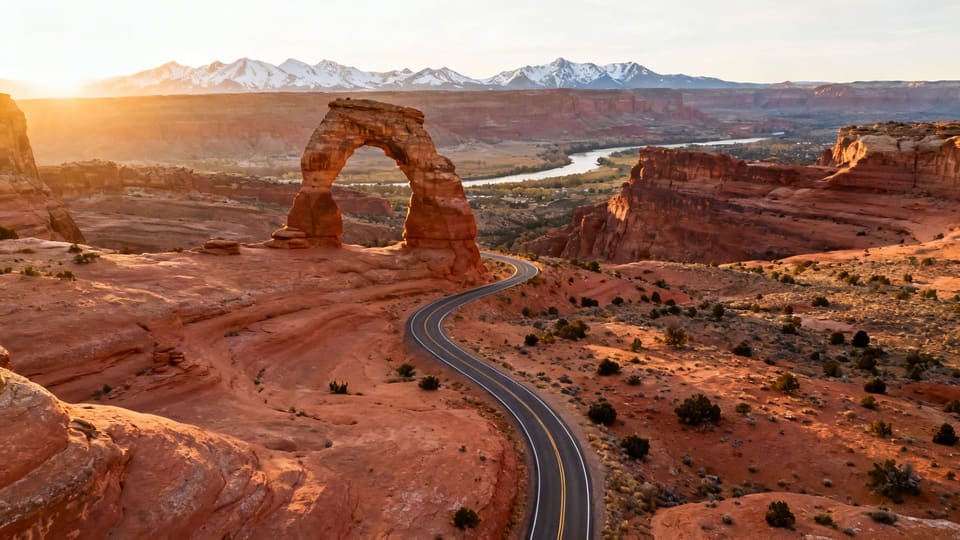
Utah is a land of dramatic contrasts, from the soaring sandstone cliffs of Zion National Park to the otherworldly hoodoos of Bryce Canyon. It's a state where adventure is etched into the landscape, offering a playground for hikers, photographers, families, and solo travelers alike. But with so many iconic destinations, deciding where to begin can be overwhelming. This guide is built to cut through the noise and help you plan the perfect trip.
We've organized the best places to visit in Utah to make your planning simple. Instead of just listing names, we provide practical advice on why each spot is worth your time, the best seasons to go, and how long you should plan to stay. You will find clear, actionable insights for must-see locations like Arches, Canyonlands, and Monument Valley, as well as essential tips for tackling famous hikes like The Narrows.
Whether you're organizing a family road trip to the "Mighty 5" national parks, a romantic getaway, or a solo expedition, this roundup gives you the building blocks for an unforgettable journey. Our goal is to move beyond the famous postcard views and give you the details needed to craft a personalized itinerary. We'll cover everything from bustling Salt Lake City to the serene expanse of the Great Salt Lake, ensuring you have a complete picture of what the Beehive State offers. Let’s start exploring the destinations that will define your next great adventure.
1. Zion National Park: The Grand Canyon's Dramatic Cousin
Often mentioned in the same breath as America's most treasured natural wonders, Zion National Park is an essential stop for anyone exploring the best places to visit in Utah. Spanning 229 square miles, the park is defined by its massive sandstone cliffs, which tower over a deep, verdant canyon floor carved by the Virgin River. The contrast between the sheer red and cream-colored rock walls and the lush greenery below creates a visual drama that feels both immense and intimate.
Unlike the Grand Canyon, where you primarily view it from the rim, Zion invites you to explore from the bottom up. This unique perspective makes the towering cliffs feel even more majestic as you walk alongside them. Popularized by early conservationists and modern-day adventurers, Zion offers a wide range of experiences, from leisurely riverside strolls to heart-pounding ascents.
Why It's Worth Visiting
Zion’s main canyon is easily accessible, making it a great destination for families, couples, and solo travelers alike. The mandatory park shuttle (during peak season) simplifies navigation and reduces traffic, allowing you to focus on the scenery. The park’s trail system is world-class, featuring iconic hikes like The Narrows, where you wade through the Virgin River, and the strenuous but rewarding Angels Landing, which offers 360-degree views from a fin-like rock formation.
Planning Your Visit
- Best Time to Go: The shoulder seasons of April-May and September-October provide pleasant weather and fewer crowds than the summer peak.
- Time Allocation: Plan for 2-3 days to explore the main canyon and venture into other sections like Kolob Canyons.
- Actionable Tips:
- Arrive Early: Parking lots fill by 8 AM. Use the free shuttle from the town of Springdale or get to the park before sunrise.
- Permits are Key: Hikes like Angels Landing and The Subway require permits obtained through a lottery system. Plan well in advance.
- Stay Hydrated: The desert climate is deceptive. Carry at least three liters of water per person, even on shorter hikes.
- Sample Itinerary Idea: For a well-rounded trip, dedicate one day to hiking The Narrows and another to exploring the Emerald Pools Trail. If you're looking for inspiration on structuring a multi-day park adventure, this guide to a 3-day Yosemite trip offers excellent examples of how to balance iconic sights with popular trails.
2. The Great Salt Lake: North America's Inland Sea
A truly unique natural wonder, the Great Salt Lake is one of the most otherworldly places to visit in Utah. As the largest saltwater lake in the Western Hemisphere, its sheer size and peculiar ecosystem create a landscape that feels more like another planet than a destination just outside Salt Lake City. The lake is famous for its extreme salinity, which makes floating on its surface an effortless and memorable experience, similar to the Dead Sea.
The lake's fame has grown thanks to travel bloggers and Instagram influencers who captured its surreal beauty, especially the pink-hued water found in the North Arm. This coloration is caused by salt-loving bacteria and algae, creating a striking visual that draws photographers and curious travelers. Beyond the viral floating photos, it’s a vital habitat for millions of migratory birds, making it a key site for birdwatching.
Why It's Worth Visiting
The Great Salt Lake offers an experience you won't find anywhere else in the United States. The buoyancy is a novel sensation, allowing you to float with almost no effort. Visiting Antelope Island State Park provides the best access, with designated beaches for swimming, hiking trails that offer panoramic views, and opportunities to see free-roaming bison. The combination of surreal scenery, unique recreational activities, and abundant wildlife makes it an unforgettable stop.
Planning Your Visit
- Best Time to Go: Visit from July to August for the highest chance of seeing the pink water phenomenon. Early mornings offer better light and fewer crowds.
- Time Allocation: Plan for 4-6 hours to fully enjoy the experience, including time for floating, exploring Antelope Island, and photography.
- Actionable Tips:
- Protect Your Feet: The lake bottom can be rocky and sharp with salt crystals. Wear water shoes for a comfortable experience.
- Stay Safe in the Sun: Bring high-SPF sunscreen, a hat, and plenty of fresh water to drink. The sun's reflection off the water and salt flats is intense.
- Check Conditions: The visibility of the pink hue can vary. Check recent visitor reports or park conditions before you go.
- Sample Itinerary Idea: For a half-day trip, drive to Antelope Island, take a short hike on the Buffalo Point Trail for views, then head to Bridger Bay Beach for a float. For another take on a multi-day lake adventure, this guide to exploring Lake Baikal in 3 days provides a solid framework for planning.
3. Arches National Park: Utah's Iconic Sandstone Wonderland
As home to over 2,000 natural stone arches, Arches National Park presents a geological spectacle that has rightfully become a symbol of the American Southwest. This high-desert landscape near Moab is dotted with an incredible collection of fins, balanced rocks, and soaring spires, but its defining features are the elegant arches themselves. The park’s most famous landmark, Delicate Arch, is so ingrained in the state's identity that it adorns Utah’s license plates, making this one of the most essential places to visit in Utah.
Popularized by decades of features in National Geographic and countless photography publications, Arches offers a surreal environment where wind and water have sculpted the Entrada Sandstone into delicate, gravity-defying formations. Unlike the deep canyons of its neighbors, the park’s main attractions are spread across a more open, accessible plateau, inviting exploration along its scenic drive and network of trails.
Why It's Worth Visiting
Arches provides a powerful visual experience that is both grand and surprisingly accessible. The main park road connects visitors to trailheads for most of the major sights, allowing for a fantastic highlights tour in just one day. The trail to see Delicate Arch is a rite of passage, leading to a breathtaking reveal of the freestanding arch against the backdrop of the La Sal Mountains. Beyond this icon, you can explore clusters of arches in areas like The Windows Section or hike through the narrow slot canyons of the Fiery Furnace.
Planning Your Visit
- Best Time to Go: The shoulder seasons of April-May and September-October offer the most comfortable temperatures. Winter (November-March) is excellent for avoiding crowds, though snow is possible.
- Time Allocation: Plan for at least one full day to see the main highlights. A 2-3 day trip allows you to combine your visit with nearby Canyonlands National Park or mountain biking in Moab.
- Actionable Tips:
- Timed Entry is Required: A timed entry reservation is needed to enter the park during peak hours in the busy season (typically April through October). Book well in advance.
- Hike Smart: The Delicate Arch trail is exposed and challenging. Hike it early in the morning for cooler temperatures and better light for photos.
- Pack Water and Sun Protection: The desert climate is intense. Bring 2-3 liters of water per person, plus electrolyte drinks, sunscreen, and a wide-brimmed hat.
- Sample Itinerary Idea: Start your day early with a sunrise hike to Delicate Arch. Afterward, explore The Windows Section and Balanced Rock. If you're managing a trip on a tight budget, check out these tips for visiting Arches National Park on a dime for ideas on saving money without missing out.
4. Moab: The Adventure Capital of Utah
Nestled between the iconic landscapes of Arches and Canyonlands National Parks, Moab has transformed from a quiet mining town into Utah's undisputed adventure hub. It's a place where the striking red rock desert serves as a world-class playground. The town itself pulses with an energetic vibe, drawing everyone from professional athletes to families looking for an active vacation.
Popularized by the mountain biking community and legendary rock climbers, Moab's reputation is built on adrenaline and breathtaking scenery. Its proximity to multiple national and state parks makes it an ideal basecamp for exploring the best of southeastern Utah. The town balances its rugged outdoor appeal with a great selection of restaurants, art galleries, and comfortable lodging, making it a complete destination.
Why It's Worth Visiting
Moab offers an incredible concentration of outdoor activities in one location. You can spend your morning mountain biking the famous Slickrock Trail, the afternoon rafting the Colorado River, and the evening watching the sunset over Dead Horse Point. This variety makes it one of the most dynamic places to visit in Utah, catering to thrill-seekers and nature lovers alike.
Beyond the high-octane sports, the area is rich in geological wonders and scenic drives. Whether you're a seasoned pro or a beginner, you’ll find guided tours and rental shops ready to equip you for canyoneering, 4x4 off-roading, or a simple hike.
Planning Your Visit
- Best Time to Go: The shoulder seasons of March-April and September-October offer the best weather for outdoor activities, with moderate temperatures and sunny skies.
- Time Allocation: Plan for at least 3-4 days. This gives you enough time to explore a national park, try a few different adventure sports, and enjoy the town itself.
- Actionable Tips:
- Book Early: Accommodations fill up months in advance, especially during peak season and event weekends. Book 2-3 months out.
- Rent Locally: Moab has excellent bike shops with the latest equipment and expert advice. Renting saves you the hassle of transporting your own gear.
- Hire a Guide: For technical activities like rock climbing or challenging bike trails, a professional guide can ensure your safety and enhance the experience.
- Beat the Crowds: Eat lunch early (around 11:30 AM) to avoid long waits at popular restaurants.
- Sample Itinerary Idea: For those looking to fully immerse themselves in Utah's wilderness and explore its many natural wonders, learning how to plan a backpacking trip can transform a simple visit into an unforgettable adventure. Dedicate one day to exploring Arches National Park, another to mountain biking a classic Moab trail like the Bar M Loop, and a third to a guided rafting trip on the Colorado River.
5. Canyonlands National Park: Utah's Wilderness Frontier
Canyonlands National Park is a sprawling, rugged wilderness that showcases the raw power of erosion on a monumental scale. Carved by the Colorado and Green rivers, the park is a complex labyrinth of deep canyons, towering buttes, and vast mesas, covering over 337,500 acres. Its sheer size and wild character, famously captured in the writings of Edward Abbey, make it one of the most compelling places to visit in Utah for those seeking true solitude and adventure.
The park is divided into four distinct districts, each offering a unique experience: Island in the Sky, The Needles, The Maze, and the rivers themselves. Island in the Sky is the most accessible, offering breathtaking overlooks from a high mesa. The Needles district requires more travel time but rewards visitors with bizarre and beautiful rock formations, while The Maze is one of the most remote and challenging areas in the entire National Park System, reserved for seasoned backcountry explorers.
Why It's Worth Visiting
Canyonlands offers a sense of scale and isolation that is hard to find elsewhere. Unlike Zion, which is concentrated in a single canyon, Canyonlands is a sprawling landscape of viewpoints and backcountry opportunities. Its districts are so different from one another that they feel like separate parks entirely. Island in the Sky provides some of the most iconic vistas in the American Southwest, while The Needles offers world-class hiking among its colorful sandstone spires. The park is a haven for photographers, backpackers, and anyone looking to escape the crowds.
Planning Your Visit
- Best Time to Go: Spring (April-May) and fall (September-October) offer ideal, moderate temperatures for hiking and exploration.
- Time Allocation: Allow at least a full day for Island in the Sky. If visiting The Needles, plan for a separate full day, as it's a 2-hour drive from the Island in the Sky entrance. The Maze requires a multi-day, self-sufficient expedition.
- Actionable Tips:
- Start with Island in the Sky: This district provides the best overview of the park and has the most accessible viewpoints, like the Grand View Point Trail.
- Prepare for Self-Sufficiency: There is no reliable water available in the park. Bring at least three liters of water per person, per day, plus extra food and fuel.
- Vehicle Matters: While Island in the Sky is accessible to all cars, roads in The Needles and The Maze often require high-clearance 4WD vehicles.
- Get Permits Early: Backcountry camping and 4WD trips on the White Rim Road require permits that are often reserved months in advance.
6. Bryce Canyon National Park: A Forest of Stone Spires
Famous for its otherworldly landscape, Bryce Canyon National Park is home to the largest concentration of hoodoos (irregular columns of rock) on Earth. These tall, thin spires create a surreal, amphitheater-like setting that glows in shades of red, orange, and white. This park offers one of the most unique geological sights in Utah, feeling less like a canyon and more like a collection of natural stadiums filled with stone sentinels.
Popularized by photographers in publications like National Geographic and beloved by astronomers for its incredibly dark skies, Bryce Canyon provides a distinct experience from other national parks in the region. Rather than looking up from a canyon floor, visitors primarily view the formations from the rim above, peering down into a maze of color and shadow that changes dramatically with the light.
Why It's Worth Visiting
Bryce Canyon’s compact size makes it highly accessible, allowing visitors to see its main highlights in just a day or two. The 18-mile scenic drive along the rim offers numerous pullouts, each providing a different perspective of the main amphitheater. For those wanting a closer look, trails like the Queen’s Garden/Navajo Loop combination descend directly among the hoodoos, offering an immersive experience that feels like walking through a fantasy landscape. Its high elevation also makes it one of the best places to visit in Utah for stargazing, as it is a designated International Dark Sky Park.
Planning Your Visit
- Best Time to Go: Late spring (May-June) and early fall (September-October) offer comfortable temperatures for hiking. Winter brings a magical blanket of snow that contrasts beautifully with the red rock, but be prepared for cold and potential road closures.
- Time Allocation: Plan for 1-2 days. This allows enough time to drive the scenic rim, hike below the rim, and stay for the spectacular sunset and night sky.
- Actionable Tips:
- Catch the Sunrise: Arrive before dawn and head to Sunrise Point or Bryce Point. The first light of day makes the hoodoos glow with intense color.
- Hike Below the Rim: The Queen's Garden Trail is the easiest way to walk among the hoodoos. For a moderate challenge, combine it with the Navajo Loop, but be ready for steep switchbacks on the ascent.
- Stay for the Stars: The park's remote location and clean air provide pristine conditions for stargazing. Check the park's schedule for ranger-led astronomy programs.
- Sample Itinerary Idea: Spend your first day driving the scenic drive to Rainbow Point, stopping at all viewpoints. In the late afternoon, hike the Queen’s Garden/Navajo Loop. Stay for sunset at Sunset Point and join a ranger-led star talk. On day two, catch the sunrise and explore the Mossy Cave Trail before heading out.
7. Dead Horse Point State Park: Utah's Most Breathtaking Vista
Perched 2,000 feet above a dramatic gooseneck in the Colorado River, Dead Horse Point State Park delivers one of the most photographed and expansive views in the American West. This high desert mesa offers a jaw-dropping panorama that rivals anything found in the nearby national parks. The park is essentially a peninsula in the sky, connected to the mainland by a narrow neck of rock, giving visitors a profound sense of isolation and grandeur.
The name's origin is tied to a grim legend of cowboys using the point as a natural corral, where a band of wild mustangs was tragically left to die of thirst. Today, it’s a premier destination for photographers, sightseers, and hikers looking for iconic Utah scenery. Popularized by landscape photographers and the Moab tourism scene, it has become an essential stop for anyone exploring the region's natural wonders.
Why It's Worth Visiting
Dead Horse Point offers a massive visual payoff for very little effort, making it one of the most accessible and rewarding places to visit in Utah. Unlike the sprawling national parks that require extensive hiking to reach prime viewpoints, the main overlook is just a short walk from the parking area. The park's relatively small size also means you can experience its highlights in just a few hours, making it a perfect addition to a Canyonlands or Arches trip.
The park is also a designated International Dark Sky Park, offering phenomenal stargazing opportunities away from city lights. The combination of easy access, world-class views, and a quieter atmosphere than its national park neighbors makes it a must-see.
Planning Your Visit
- Best Time to Go: The shoulder seasons of spring (April-May) and fall (September-October) provide the most comfortable temperatures and fantastic light for photography.
- Time Allocation: Plan for 2-4 hours. This allows enough time to visit the main overlook, walk a portion of the rim trail, and soak in the views without feeling rushed.
- Actionable Tips:
- Chase the Sunset: Arrive 1-2 hours before sunset. The setting sun illuminates the canyon walls in fiery reds and oranges, creating an unforgettable spectacle.
- Combine with Canyonlands: The entrance to the Island in the Sky district of Canyonlands National Park is only a 15-minute drive away. It's easy to visit both in a single day.
- Walk the Rim: Hike the 5.2-mile East and West Rim Trail loop for constantly changing perspectives of the river and canyon below. Start clockwise for the best views early on.
- Be Prepared: The mesa is fully exposed to the sun. Bring plenty of water, sunscreen, and a hat, even on cooler days.
8. The Narrows at Zion National Park: A Hike Through a River Canyon
One of the most iconic hiking experiences in Utah, The Narrows isn't a traditional trail but an adventure that takes you directly into the Virgin River. This unique journey involves walking, wading, and sometimes swimming through the narrowest section of Zion Canyon, where the towering sandstone walls stretch over a thousand feet high while the river itself is only 20 to 30 feet wide. This hike truly puts the scale of Zion's geology into perspective.
Popularized through social media and countless adventure vlogs, The Narrows offers a completely different way to experience a national park. Instead of looking down from a viewpoint, you are immersed within the canyon, with the flowing river as your guide. The water-sculpted rock, hanging gardens, and dappled light create a surreal environment that makes it one of the most memorable places to visit in Utah.
Why It's Worth Visiting
The Narrows provides an unforgettable adventure that can be adjusted for various fitness levels. You can take a short, two-hour stroll upstream for a taste of the experience or commit to a full-day, strenuous trek deep into the canyon. The constant interaction with the river makes it both a physical challenge and a refreshing escape from the desert heat. The reward is unparalleled scenery found nowhere else in the park.
Planning Your Visit
- Best Time to Go: Late spring and fall (May-June, September-October) offer a good balance of warmer water temperatures and manageable water levels. Summer is popular but brings a higher risk of flash floods.
- Time Allocation: Plan for a full day (4-8 hours) even for a partial "bottom-up" hike to fully appreciate the scenery without rushing. A "top-down" thru-hike requires a permit and takes 1-2 days.
- Actionable Tips:
- Gear Up: Rent proper water shoes, neoprene socks, and a wooden hiking stick from an outfitter in Springdale. This gear is essential for grip and stability on slippery river rocks.
- Check Conditions: Always check the flash flood potential at the Visitor Center before you start. The hike is closed when the flow rate is too high or thunderstorms are forecasted.
- Pack Smart: Use a dry bag for all electronics, keys, and extra layers. The risk of falling into the water is very real.
- Sample Itinerary Idea: For a classic Narrows day, start early and hike upstream from the Temple of Sinawava for 2-3 hours until you reach the popular "Wall Street" section. Have lunch, then turn around and head back downstream. For tips on managing an iconic but demanding hike, this 1-day itinerary for Half Dome shows how to prepare for a single, challenging objective.
9. Monument Valley Navajo Tribal Park: An Iconic Western Landscape
Straddling the Arizona-Utah border, Monument Valley is an unmistakable symbol of the American West. This sacred landscape, managed by the Navajo Nation, features immense sandstone buttes and mesas that rise dramatically from the expansive desert floor. The towering formations, some reaching 1,000 feet, create a silhouette that feels both ancient and otherworldly.
Popularized by classic Western films directed by John Ford and iconic National Geographic photography, Monument Valley is more than just a stunning backdrop. It is a place of deep cultural and spiritual significance to the Navajo people. A visit here is an opportunity to witness breathtaking natural beauty while supporting the tribal community and learning about its rich heritage. The park offers a unique experience among the many places to visit in Utah, blending majestic scenery with profound cultural immersion.
Why It's Worth Visiting
The visual impact of Monument Valley is powerful, with the stark contrast of red rock against the vast blue sky. Sunrise and sunset are particularly magical, as the changing light paints the buttes in vibrant shades of orange, red, and purple. Beyond the views, the park provides an authentic cultural experience. Hiring a Navajo guide unlocks access to restricted areas and offers invaluable insights into the history, stories, and spiritual importance of the land that you can't get on your own.
Planning Your Visit
- Best Time to Go: Spring (April-May) and fall (September-October) offer comfortable temperatures for exploring. Winter is less crowded but can be cold.
- Time Allocation: Plan for at least 4-6 hours to drive the 17-mile scenic loop and allow for plenty of photo stops. A full day is better if you book a guided tour.
- Actionable Tips:
- Hire a Navajo Guide: A guided tour is essential for a deeper understanding and access to areas off-limits to the general public, like Mystery Valley.
- Catch Sunrise or Sunset: The light during these times is spectacular. Consider a guided photography tour for the best vantage points.
- Be Prepared: Services are limited. Bring plenty of water, snacks, and high-SPF sunscreen, as the sun's reflection off the sand intensifies its effects.
- Support Local Artisans: Purchase authentic crafts directly from Navajo vendors at the park to support the local economy.
- Sample Itinerary Idea: Spend the afternoon driving the scenic loop, stopping at John Ford's Point. Book a sunset tour with a Navajo guide to experience the landscape in its best light. For those on a broader Southwest road trip, consider how this stop fits into a larger schedule. This guide to a 2-day Grand Canyon itinerary can help you think about structuring short, impactful visits to major landmarks.
10. Salt Lake City: Urban Heart of the Wasatch Front
Utah's capital, Salt Lake City, stands as a vibrant urban oasis framed by the dramatic Wasatch Mountains. It offers a unique blend of cultural attractions, Olympic history, and incredible access to the outdoors, making it one of the most dynamic places to visit in Utah. The city's clean, grid-like streets, a legacy of its Mormon pioneers, are now home to a blossoming culinary scene, thriving arts districts, and a palpable energy fueled by its proximity to world-class ski resorts.
Popularized by the 2002 Winter Olympics and its role as the global headquarters for The Church of Jesus Christ of Latter-day Saints, SLC combines big-city amenities with a surprisingly laid-back feel. It serves as both a destination in its own right and the perfect home base for exploring the state's more remote natural wonders.
Why It's Worth Visiting
Salt Lake City’s appeal lies in its remarkable versatility. Within minutes, you can go from exploring the architectural marvels of Temple Square to hiking a mountain trail with panoramic views of the entire valley. The city’s dining scene has expanded well beyond its humble roots, with local breweries and innovative restaurants gaining national attention. For winter sports enthusiasts, the proximity of legendary ski resorts like Alta, Snowbird, and Park City is simply unmatched.
Planning Your Visit
- Best Time to Go: Summer and early fall (June-October) offer pleasant weather and better air quality. For skiers, December-March is prime time for "The Greatest Snow on Earth."
- Time Allocation: Plan for 2-3 days to explore the city itself, with extra days for skiing or trips to nearby spots like Park City or Antelope Island.
- Actionable Tips:
- Use Public Transit: The TRAX light rail system is an efficient way to navigate downtown and avoid traffic and parking hassles.
- Explore Local Neighborhoods: Venture beyond downtown to the 9th and 9th, 15th and 15th, or Sugar House areas for unique local shops and eateries.
- Adjust to the Altitude: SLC sits at over 4,200 feet. Build in a rest day upon arrival to acclimate before strenuous activity.
- Sample Itinerary Idea: Spend your first day exploring downtown attractions like Temple Square and the Utah State Capitol. On day two, take a scenic drive up Big Cottonwood Canyon for a hike or head to Park City for a taste of its historic Main Street and Olympic Park.
Top 10 Utah Attractions Comparison
| Item | 🔄 Complexity | ⚡ Resource requirements | ⭐ Expected outcome | 📊 Ideal use cases | 💡 Key advantages |
|---|---|---|---|---|---|
| Zion National Park | Moderate — permited routes, shuttle logistics | 2–4 days, hiking gear, permits for technical hikes, water | Exceptional scenic variety and iconic hikes | Hikers, photographers, families (older kids), couples | Shuttle reduces parking; close to Las Vegas; diverse trail options |
| Great Salt Lake | Low — easy access, minimal logistics | Half-day to full day, sunscreen, water, possible state park fees | Unique saltwater float, wildlife viewing, seasonal pink hues | Families, photographers, relaxation and wellness seekers | Low cost; near Salt Lake City; distinctive scenic/wellness experience |
| Arches National Park | Low–Moderate — short hikes, very crowded in peak | Full day to 1.5 days, sun protection, water, arrive early | World-class photography backdrops and plentiful arches | Photographers, short-visit travelers, families with hiking ability | Highly accessible iconic features; consistent photographic lighting |
| Moab (town) | Moderate — coordinate multi-activity logistics | 2–4+ days, rentals/guides, higher lodging costs, reservations | Adventure hub offering biking, climbing, rafting, dining | Adventure sports enthusiasts, active families, content creators | Excellent outfitter network; base for nearby parks and activities |
| Canyonlands National Park | High — multiple districts, remote routes, navigation | 1–3 days+, maps/GPS, high-clearance vehicles for some roads, permits | Vast panoramas, solitude, multi-day backcountry experiences | Experienced hikers, backpackers, rafters, landscape photographers | Less crowded than Arches; diverse districts for varied trips |
| Bryce Canyon National Park | Low–Moderate — high elevation effects, steep trails | 1–2 days, altitude adjustment, water, layered clothing | Unique hoodoo amphitheaters and outstanding night skies | Photographers, stargazers, families with moderate fitness | Distinct geology and dark-sky programs; many rim viewpoints |
| Dead Horse Point State Park | Low — easy rim trails and overlooks | 2–4 hours, minimal gear, short drive from Moab | Dramatic 100+ mile panoramic views with low exertion | Time-limited travelers, photographers, families | Quick visit for big views; fewer crowds and lower fees than national parks |
| The Narrows (Zion) | High — river hiking, flash flood risk, technical wading | Half-day to full day, wetsuit/water shoes/poles, permits for long trips | Singular river slot-canyon experience and striking photos | Adventurous hikers, competent families with teens, canyoneering fans | One-of-a-kind water hike; outfitters provide gear and guidance |
| Monument Valley Navajo Tribal Park | Moderate — remote travel, guided-access limits | Full day, guide fees recommended, longer drive time, cultural respect | Iconic butte vistas and Navajo cultural immersion | Photographers, cultural travelers, international visitors | Navajo-guided experiences; instantly recognizable Western scenery |
| Salt Lake City | Low — standard urban planning and transit | 2–3 days in city (plus side trips), lodgings, public transit | Urban amenities plus gateway access to mountains and parks | City visitors, skiers, multi-park road-trippers | Major transport hub; close ski resorts; strong infrastructure |
Final Thoughts
As we've journeyed through this guide, it's clear that Utah is a state of remarkable diversity and profound beauty. From the otherworldly sandstone sculptures of Arches National Park to the deep, emerald waters of The Narrows in Zion, the state offers an incredible spectrum of experiences. We've explored the urban energy of Salt Lake City, the high-desert adventure hub of Moab, and the sacred, cinematic landscapes of Monument Valley. The sheer variety of places to visit in Utah ensures there is something for every type of traveler.
Whether you're planning a solo expedition, a romantic getaway, or a sprawling family vacation, the key to a successful trip lies in understanding what makes each location special. A visit to Bryce Canyon in winter offers a completely different, and arguably more serene, experience than a summer trip. Similarly, understanding the permit systems for iconic hikes or the best times to view a sunrise at Dead Horse Point State Park can make all the difference. Your ideal Utah adventure is a personal puzzle, pieced together from these distinct and memorable destinations.
Building Your Perfect Utah Itinerary
The most important takeaway is that planning is paramount. Utah’s most popular destinations, especially the "Mighty 5" national parks, attract millions of visitors. A well-thought-out plan helps you avoid crowds, secure accommodations, and make the most of every moment.
Here are a few actionable steps to help you move from inspiration to reservation:
- Prioritize Your "Must-Sees": Start by selecting two or three non-negotiable destinations from this list. Build your itinerary around them, considering the driving time and logical routes between each.
- Book in Advance: Accommodations in gateway towns like Moab and Springdale fill up months, sometimes a year, in advance. The same goes for popular guided tours and activities. Once your dates are set, make booking a priority.
- Check for Permits and Reservations: Many popular experiences, such as hiking Angels Landing in Zion or entering Arches National Park during peak season, now require advance reservations or permits. Always check the official National Park Service (NPS) website for the most current requirements before your trip.
- Be Flexible: While planning is key, allow for spontaneity. You might discover a hidden trail, a charming local diner, or simply a viewpoint that invites you to linger longer than expected. Building some buffer time into your schedule allows for these serendipitous moments.
As you finalize your plans for an unforgettable adventure through Utah's stunning landscapes, it's wise to consider practical aspects, especially if you are traveling with others; learn more about how to plan a group trip without the stress. Coordinating multiple schedules and preferences requires a bit of strategy, but the shared memories will be well worth the effort.
Ultimately, a trip to Utah is more than just a vacation; it's an opportunity to connect with some of the most dramatic and ancient landscapes on the planet. It’s a chance to challenge yourself on a strenuous hike, feel small beneath a vast, starry sky, and create memories that will last a lifetime. The red rocks, deep canyons, and expansive deserts hold a unique power, offering both thrilling adventure and quiet introspection. So pack your bags, charge your camera, and get ready to discover the wonders that await you in the Beehive State.
---
Ready to turn your Utah bucket list into a perfectly organized trip? Stop juggling spreadsheets and scattered notes. Highlights.ai helps you save and structure all your travel ideas in one place, making it simple to build a visual, map-based itinerary for all the amazing places to visit in Utah.
What is the best time of year to visit the national parks in Utah? The best times to visit Utah's national parks are during the spring (April-May) and fall (September-October). These seasons offer pleasant temperatures for hiking and exploring, avoiding the intense summer heat and winter snow. However, visiting in the off-season can mean fewer crowds and unique scenery, like snow-dusted red rocks in Bryce Canyon.
How many days do I need to see the "Mighty 5" national parks? To comfortably visit all five of Utah's national parks (Zion, Bryce Canyon, Capitol Reef, Arches, and Canyonlands), you should plan for at least 7 to 10 days. This allows for at least one full day in each park, plus travel time between them. If you want to do extensive hiking or explore more deeply, a two-week trip is ideal.
Do I need a special vehicle to visit places like Moab or Monument Valley? For most of the main attractions and paved scenic drives in places like Arches, Zion, and Salt Lake City, a standard passenger car is sufficient. However, if you plan to explore the backcountry roads in Canyonlands, drive the full scenic loop in Monument Valley, or tackle off-road trails around Moab, a high-clearance 4WD vehicle is highly recommended for safety and access.