
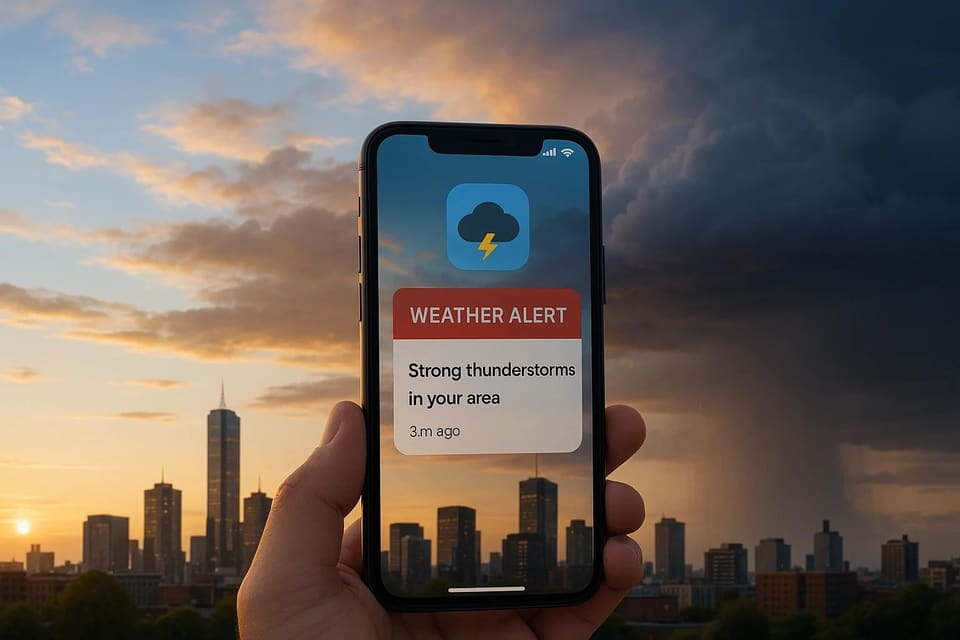
- Quick, precise updates: AI analyzes vast data in real time, offering location-specific weather forecasts.
- Travel-focused insights: Alerts go beyond general weather updates, explaining how conditions impact flights, road safety, and outdoor plans.
- Integrated tools: Travel platforms now combine weather data with itineraries, helping you adjust plans instantly when conditions change.
- Improved safety: AI systems warn of severe weather, suggest alternative routes, and provide actionable advice for safer trips.
AI-powered weather tools are reshaping travel by keeping you informed and prepared, ensuring smoother journeys even when the weather shifts unexpectedly.
How AI Powers Real-Time Weather Alerts
Artificial intelligence has revolutionized how we predict and communicate weather updates, turning what was once a slow and generalized process into a system capable of delivering fast, pinpointed forecasts. Traditional methods often relied on broad regional data updated sporadically, but AI can now analyze vast amounts of information almost instantly, providing hyper-local predictions. This precision is especially helpful for travelers, who depend on timely updates to adjust their plans effectively. It’s a game-changer for travel platforms, enabling them to provide location-specific weather insights proactively.
AI doesn’t just speed up predictions - it adds depth by offering travel-specific insights. By analyzing patterns in massive datasets, these systems can not only predict weather changes but also explain how those changes might impact travel. For instance, instead of simply forecasting rain, an AI system might warn travelers about potential disruptions to transportation services, helping them make informed decisions about their itineraries.
Let’s take a closer look at the technologies that make this level of precision possible.
AI Technologies Behind Accurate Weather Predictions
At the heart of AI-driven weather forecasting are advanced machine learning algorithms that process enormous datasets from a variety of sources. These include weather stations, satellites, radar systems, and even mobile devices. By combining historical and real-time data, neural networks can identify subtle atmospheric patterns - like shifts in temperature, humidity, wind, and pressure - that signal upcoming weather events. This allows for highly detailed and accurate forecasts.
One key technique is ensemble forecasting, which runs multiple scenarios to determine the most likely weather outcomes. This approach is particularly useful during unpredictable or rapidly changing conditions.
Another critical tool is sensor fusion, which combines data from multiple sources to refine local forecasts in real time. These AI-powered systems continuously update as fresh data becomes available, ensuring that travelers receive the most current insights to guide their decisions.
AI Integration with Travel Platforms
Travel platforms are using AI-driven weather data to move beyond the generic, fragmented forecasts of older systems. By integrating weather APIs into their planning tools, these platforms deliver real-time weather insights tailored to travelers’ needs. These APIs don’t just provide basic forecasts - they merge weather data with travel information to offer actionable advice, such as the best times for outdoor activities or warnings about potential disruptions. Predictive analytics can even suggest changes to itineraries based on evolving conditions.
Geolocation technology enhances this experience by delivering alerts tailored to travelers' exact locations and planned activities. Unlike broad regional forecasts, these updates are highly specific. For example, if a sudden weather shift threatens a planned destination, the system can quickly update the itinerary and notify users of the potential impact.
Some platforms go a step further by using contextual AI to analyze how different weather conditions might affect specific activities. For example, while light rain might not disrupt indoor plans, it could pose safety risks for outdoor adventures. The system can then provide recommendations accordingly. Additionally, AI-powered push notifications prioritize alerts based on urgency and relevance, ensuring travelers only receive the updates that matter most - without feeling overwhelmed by unnecessary messages.
Benefits of AI Weather Alerts for Travelers
Automatic Itinerary Adjustments
AI has transformed how travel platforms handle disruptions, especially when it comes to weather-related issues. By monitoring real-time conditions like flight delays, traffic patterns, and weather forecasts, these systems can instantly adjust your travel plans to keep things running smoothly.
For instance, if heavy rain cancels your outdoor museum visit, the system might suggest nearby indoor attractions with a similar vibe. Got a flight delayed by morning fog? AI can recommend new flight options or adjust your schedule to match venue hours and travel distances. Even when airport delays are predicted, the technology might prompt you to book earlier flights or explore alternative routes before options run out.
What sets AI weather alerts apart is their proactive nature. Instead of reacting to problems after they occur, these systems anticipate disruptions and offer solutions in advance. They continuously update your itinerary based on real-time weather changes, delays, and even your preferences. The result? Travel plans that adapt effortlessly to changing conditions, making your trip more convenient and stress-free.
AI Weather Notifications in Travel: Real Examples
AI weather technology is changing the way we travel, making journeys safer and more convenient. From airlines using advanced forecasting tools to travel apps and in-car systems offering real-time updates, AI is reshaping how travelers access and respond to weather information across the United States. These advancements are making a noticeable impact in aviation, mobile applications, and road travel.
Airlines Using AI for Weather Updates
Airlines have embraced AI to stay ahead of weather disruptions. Predictive algorithms now analyze weather patterns far in advance, allowing carriers to inform passengers about potential delays or cancellations. Many airlines have integrated AI into their mobile apps, offering features like rebooking options when severe weather is expected to interfere with flights. AI also plays a role behind the scenes, optimizing gate assignments and managing airport logistics during challenging weather conditions. The result? Better preparedness and smoother operations for both passengers and staff.
Travel Apps with Local Weather Alerts
Travel apps are taking weather forecasting to the next level by providing hyper-local updates tailored to specific destinations. By pulling data from multiple sources, these apps deliver highly accurate forecasts for landmarks and tourist hotspots. Some even learn from user preferences and behaviors to ensure notifications are timely and relevant. Whether you're planning a hike or visiting an outdoor attraction, these tools help you adjust your plans with confidence.
In-Car AI Weather Assistants for Road Trips
AI-powered weather systems in cars are making road trips safer and more manageable. These systems monitor real-time weather conditions, such as rain or fog, and suggest alternative routes to avoid hazards. In-car assistants go a step further by offering tailored advice, like when to take precautions during unexpected weather changes. This technology ensures drivers are better equipped to handle varying conditions, making long drives more secure and stress-free.
These advancements highlight how AI is delivering real-time weather insights, helping travelers make smarter decisions and enjoy smoother, safer journeys.
How Highlights.AI Uses Real-Time Weather Data
Highlights.AI is redefining travel planning by integrating real-time weather data into its itinerary recommendations. By factoring in current and forecasted conditions, the platform creates travel plans that are not just practical but also adaptable to changing weather. This approach ensures travelers can enjoy journeys that are both flexible and weather-appropriate from the very beginning.
Custom Itineraries Based on Weather Forecasts
With real-time weather updates, Highlights.AI adjusts activity suggestions to match anticipated conditions. For instance, if rain is expected, the platform might recommend indoor attractions instead of outdoor adventures. It takes into account details like temperature and precipitation to refine schedules, ensuring travelers are prepared for the day ahead. This weather-driven approach allows users to enjoy trips that align seamlessly with the conditions, no matter where they are in the U.S.
Better Travel Experiences for U.S. Destinations
The U.S. is home to a wide range of climates, from areas with unpredictable weather to regions with more stable patterns. Highlights.AI adjusts its recommendations to suit these variations, helping travelers navigate everything from sudden temperature drops to unexpected storms. By suggesting activities tailored to the local climate, the platform ensures a smoother, more enjoyable travel experience.
Safety and Convenience with AI Weather Updates
Keeping safety at the forefront, Highlights.AI provides timely alerts for severe weather, complete with actionable advice. These updates are seamlessly integrated into transportation and activity plans, helping users stay informed and make quick adjustments when conditions change. This not only reduces travel stress but also ensures that travelers are prepared for whatever the weather brings.
The Future of Travel with AI Weather Intelligence
AI-driven weather forecasting is changing the way we plan trips, shifting from manual weather checks and last-minute adjustments to smarter, proactive solutions.
Instead of simply reacting to weather alerts, AI now predicts how specific conditions will affect activities and locations. For example, it might suggest indoor options before a rainstorm or recommend leaving earlier to avoid snowy roads. This predictive approach is setting the stage for even more personalized and advanced travel tools.
In the near future, AI will refine these predictions even further by processing real-time meteorological data. Imagine a traveler interested in outdoor photography receiving updates about the best lighting conditions, or a family being notified about indoor activities that are perfect for kids when bad weather strikes.
Safety is also becoming a key focus. AI doesn’t just warn about storms - it provides detailed insights into road conditions, visibility, and temperature changes, helping travelers make safer, more informed decisions.
Platforms like Highlights.AI are already integrating real-time weather data into travel itineraries. This means your plans can adjust on the fly to stay weather-appropriate, making travel more flexible and less stressful. By bridging the gap between weather forecasting and trip planning, these tools are transforming how we experience travel.
As AI and weather modeling continue to improve, we can expect even more accurate long-range forecasts and tailored recommendations. This will make spontaneous travel easier and reduce disruptions caused by unexpected weather changes.
The impact goes beyond personal trips, influencing broader tourism trends. AI weather intelligence can help travelers identify the best times to visit popular destinations, potentially easing overcrowding during peak seasons while uncovering hidden opportunities to explore during less traditional travel periods.
Frequently asked questions
How does AI make weather alerts more accurate and timely for travelers?
AI is transforming weather alerts by processing real-time data alongside historical trends to identify patterns, leading to quicker and more precise forecasts. By leveraging advanced analytics, it can handle massive amounts of information, ensuring that travelers are promptly informed about severe weather conditions. These AI-powered updates help travelers stay ahead of sudden weather changes, enabling them to plan and adjust their trips with greater confidence and safety.
How does AI improve travel planning with real-time weather updates?
AI transforms the way we plan trips by offering real-time weather updates, keeping travelers informed about changing conditions. With the ability to analyze live weather data and predict severe events, AI tools send instant alerts about potential disruptions like storms or extreme temperatures. These tools also connect with travel platforms to suggest alternate routes, tweak itineraries, or advise on the best times for outdoor activities. By staying one step ahead, travelers can navigate their journeys more smoothly, stay safe, and make the most of their experiences.
How does AI provide accurate, real-time weather updates for specific locations?
AI uses cutting-edge tools like neural networks and deep learning models to sift through massive amounts of weather data gathered from satellites, radars, and ground stations. These systems work at lightning speed to provide highly detailed, hyperlocal forecasts in real time. By spotting patterns and trends in weather behavior, AI makes predictions faster and with greater precision. This means users can stay ahead of sudden changes, such as incoming storms or unexpected temperature shifts. Such detailed insights are particularly handy for planning trips, ensuring you're ready for whatever the weather throws your way.