The short answer
Match the island to the trip first, then to the month. Naxos is for families who want sandy beaches and easy days. Santorini is for couples who came for the caldera view. Madeira and Tasmania are for walkers, Iceland is for a road trip, and São Miguel is for whales and hot springs. St. John and the Maldives are for snorkeling, Bali is for temples and a longer stay, and Mauritius mixes resort beaches with mountains.
Fees, rules and routes below come from each island's tourism board, park service or transport operator, checked on November 5, 2026.
- December to April: the Maldives (dry season), St. John (outside hurricane season), Tasmania (its summer) and Madeira (mild all year).
- June to September: Mauritius (cool, dry winter), Iceland (long days), São Miguel, Naxos, Santorini and Bali (dry season).
- September to April: Iceland, if the northern lights are the goal.
1. Naxos, Greece: beaches for families
Naxos is the largest island in the Cyclades, with long sandy beaches on its west coast: Agios Prokopios, Agia Anna and Plaka. For small children, Visit Greece points to Agios Georgios, by the main town, for calm, shallow water. Give one day to the hills: the marble lanes of Apeiranthos and the village of Halki sit below Mount Zas, the highest peak in the Cyclades.
Getting there: flights from Athens take about 45 minutes. Blue Star's morning ferry from Piraeus takes about 5 hours 20 minutes, then continues to Santorini in about 2.5 hours, so the two islands pair well, as in our 10-day Greece plan. Visit Greece calls September and October pleasantly warm. The catch: Naxos is less dramatic than Santorini.
2. Santorini, Greece: the caldera for couples
Santorini is the island in the photos: white villages on the rim of a volcanic caldera, with beaches of black and red sand below. Stay on the caldera side if the view is the point. Walk part of the clifftop path between Fira and Oia, see the buried Bronze Age town at Akrotiri, and take a boat out into the caldera.
Getting there: flights from Athens take about 50 minutes, and Blue Star ferries arrive via Naxos. The catch: Oia at sunset is the most crowded spot on the island, so watch the sunset from a quieter stretch of the path or from the water. More on the country in our Greece guide.
3. Iceland: a road trip
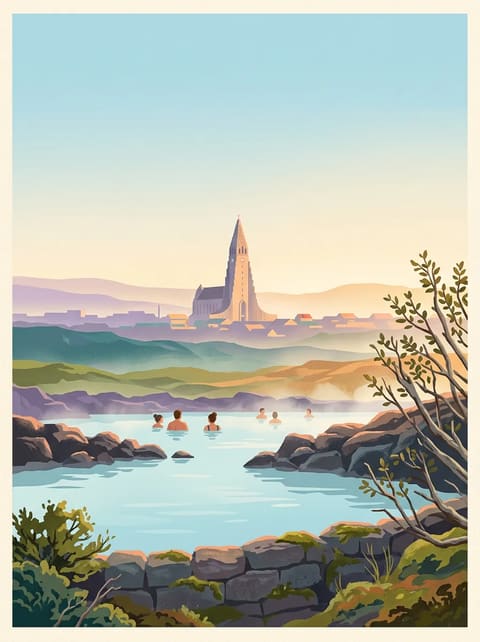
Iceland is for people who like to drive: waterfalls, black-sand beaches and glaciers along the south coast, and the Golden Circle within a day of Reykjavík. Visit Iceland says the sun barely sets from mid-May to mid-July, with close to 24 hours of daylight in June. The northern lights season runs from September to April.
Getting there: fly to Keflavík. The Flybus to Reykjavík's BSÍ terminal takes about 45 minutes. Our 7-day Iceland plan covers the Golden Circle, the south coast to Jökulsárlón and the Snæfellsnes peninsula, and the Iceland guide has more. The catch: winter days are short and roads can close, so leave a spare day.
4. Madeira, Portugal: hiking
Madeira is for walkers. Trails follow the levadas, old irrigation channels cut along the mountainsides, and the ridge walk from Pico do Areeiro to Pico Ruivo reaches the island's highest summit. Non-residents over 12 pay to use the official trails, booked on the regional Simplifica site: €4.50 for most routes and €10.50 for the one-way Areeiro to Ruivo hike. There's no refund unless the trail is officially closed, so check the weather first.
Getting there: Funchal's airport is about 90 minutes by air from Lisbon. The climate is mild all year, and the sea stays between about 64°F and 72°F. The catch: Madeira has few sandy beaches. For sand, take the Lobo Marinho ferry, about 2.5 hours, to Porto Santo.
5. São Miguel, Azores: whales and hot springs
São Miguel is the biggest island in the Azores and the easiest to reach. Spend a day at the crater lakes of Sete Cidades and another in Furnas, where the thermal pool in Terra Nostra Garden is open to the public from 10:30 a.m. to 4:30 p.m. Whale and dolphin trips run all year. Visit Azores says blue whales are easiest to spot at the end of winter, and sperm whales are frequent in summer.
Getting there: Azores Airlines flies nonstop from Boston to Ponta Delgada, and there are flights from Lisbon. To add the mainland, see our Portugal guide.
6. St. John, US Virgin Islands: snorkeling, no passport
St. John suits Americans who want a Caribbean beach without a passport: US citizens arriving from the mainland or Puerto Rico don't need one. About 60% of the island is Virgin Islands National Park, with more than 30 trails and reefs off its beaches. Trunk Bay, the best known, charges $5 a day for ages 16 and up, and since October 1, 2026, it takes cards and mobile payments only.
Getting there: St. John has no airport. Fly to St. Thomas (STT), take a taxi to Red Hook, then the passenger ferry or the car barge. The Atlantic hurricane season runs June 1 to November 30, and most storms come between mid-August and mid-October, so December to May is the safer window.
7. Bali, Indonesia: temples and a longer stay
Bali suits a longer trip that mixes culture and beach: temples and rice terraces around Ubud, then the beaches of the south coast. In Ubud, the Sacred Monkey Forest is an easy first stop, and our Indonesia guide covers the rest.
Getting there: fly to Ngurah Rai International (DPS). Every foreign visitor pays a one-time levy of IDR 150,000, about $10. Pay it on the provincial government's official Love Bali site or app, not a look-alike. Indonesia's weather agency puts the peak of the dry season in August, and the drier months run roughly April to October. The catch: the airport closes for 24 hours on Nyepi, the Balinese day of silence, usually in March, so check the date before you book.
8. The Maldives: reefs for snorkelers and honeymooners
The Maldives is for snorkeling and diving from the beach, and for a resort where the island is the hotel. Resorts close to the airport send a speedboat; farther ones need a seaplane or a domestic flight. Seaplanes fly only in daylight, so a late landing can mean a night near Malé.
Tourists of every nationality get a free 30-day visa on arrival with an onward ticket. The dry northeast monsoon runs from about December to April, and the southwest monsoon brings rain from May. Guesthouses on inhabited islands are the budget option; dress modestly there, and expect alcohol only at resorts. Our guide to the Maldives on a budget adds up a week for two. Going with small children? Read the Maldives with toddlers and the Maldives guide.
9. Mauritius: beach and mountains for families
Mauritius suits families and mixed groups who want a resort beach and also a day in the hills. Walk in Black River Gorges National Park, see the Le Morne peninsula, a UNESCO World Heritage site, and take a boat to Île aux Cerfs.
Its seasons run opposite to North America's. Summer, November to April, is warm and humid, with the most rain in February and March, and the official cyclone season runs November 1 to May 15. The cool, dry winter lasts from June to September, and October is the driest month, per the Mauritius Meteorological Services. Getting there: Air Mauritius flies daily from Paris.
10. Tasmania, Australia: wildlife and long walks
Tasmania is for a road trip with walking and food. At Cradle Mountain, the 6 km Dove Lake circuit takes two to three hours, and wombats often graze beside the trail. Park shuttles run from the visitor center to Dove Lake (A$15 return for adults, free for children), and you need a parks pass. In Hobart, the Mona art museum is a 30-minute ferry ride from Brooke Street Pier; it opens Thursday to Monday, and visitors under 12 get in free.
Getting there: flights from Melbourne take about an hour, and the Spirit of Tasmania car ferry sails overnight from Geelong to Devonport in 9 to 11 hours. December to February is summer. The catch: mountain weather turns fast, even in summer, so pack warm, waterproof layers.
Frequently asked questions
Which island is best for a trip with young kids?
Naxos and Mauritius. Naxos has calm, shallow beaches such as Agios Georgios by the main town, and it is a 45-minute flight from Athens. Mauritius pairs resort beaches with easy day trips, and its cool, dry season runs from June to September.
Which islands are best to visit in winter?
From December to February, try the Maldives in its dry season, St. John outside hurricane season, Tasmania in its summer, or Madeira for mild walking weather. Iceland makes sense in winter only if the northern lights are the goal.
Which Caribbean island can Americans visit without a passport?
St. John, in the US Virgin Islands. US citizens arriving from the mainland or Puerto Rico don't need a passport there. Bring one anyway if you plan a day trip to the British Virgin Islands, which is a separate country.
Do I have to pay to hike in Madeira?
Yes, on the official trails, if you are a non-resident over 12. You book and pay on the regional Simplifica site: €4.50 for most routes and €10.50 for Pico do Areeiro to Pico Ruivo one way. There is no refund unless the trail is officially closed.